
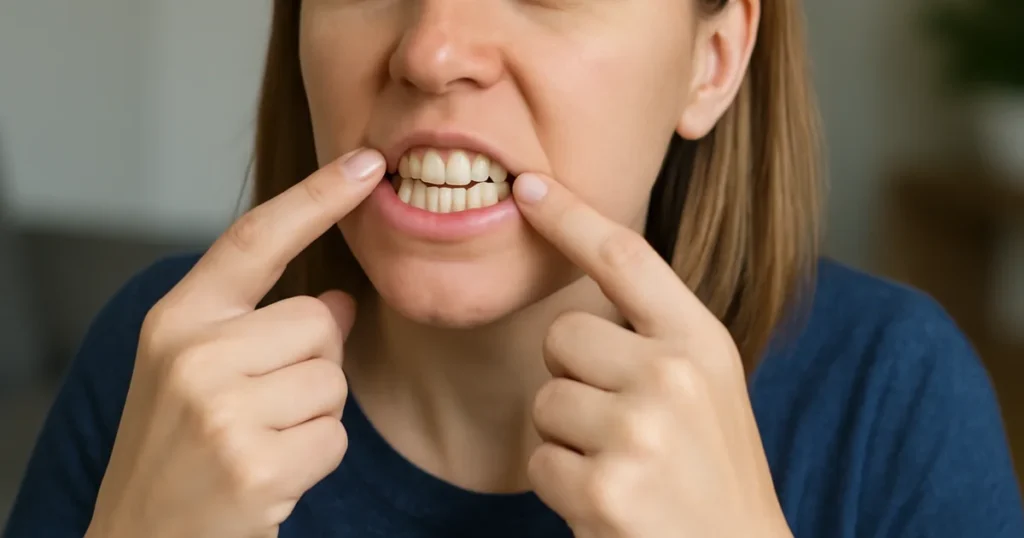
Many adults wonder whether their misalignment, bite issues, or jaw discomfort are severe enough to warrant orthodontic treatment. If you notice crowding, spacing, shifting teeth, or difficulty cleaning certain areas, these may be early signs that you need braces as an adult. Orthodontic treatment is not just about appearance; it often improves oral function, prevents long-term dental complications, and enhances overall comfort.
In this guide, we’ll break down alignment issues, bite problems, functional symptoms, aesthetic concerns, and age-related shifting so you can understand when braces or Invisalign may be the right choice for you.
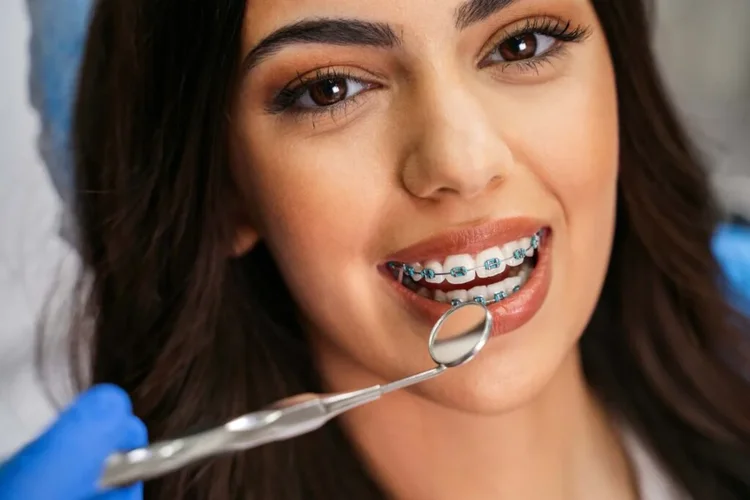
Alignment Problems That Signal You May Need Braces
Alignment issues are among the most common reasons adults seek orthodontic treatment. These problems can affect daily comfort, chewing efficiency, and oral hygiene.
Crowded or Overlapping Teeth
Crowding occurs when there isn’t enough space in the jaw for teeth to sit correctly. This leads to overlapping, rotation, or teeth pushing forward or backward. Crowded teeth make brushing and flossing difficult, increasing the risk of decay and gum inflammation. Many adults first notice crowding during a routine dental checkup, when cleaning becomes more difficult for both the patient and the hygienist.
Mild to moderate crowding can be effectively treated with Invisalign, while more complex cases may require traditional adult braces.
Crooked Teeth
Crooked teeth may not cause immediate discomfort, but they can contribute to uneven wear, difficulty cleaning specific tooth surfaces, and self-consciousness when smiling. Crooked alignment also increases tension on supporting gum tissues, which can eventually contribute to gum recession. Adults sometimes pursue orthodontics after learning, often during general dentistry visits, that misaligned teeth are contributing to plaque retention or early gum disease.
Gaps Between Teeth
Spacing occurs when teeth are too far apart or when gum tissue has receded, leaving visible gaps. Some adults also experience spacing after orthodontic relapse. While gaps can be aesthetic concerns, they can also affect speech, trap food, and make front teeth more prone to chipping. Treatment options may include braces, Invisalign, or, in some cosmetic cases.
Read more: Invisalign Treatment Process
Bite Issues That Often Require Orthodontic Treatment
Bite problems, known as malocclusion, are some of the most critical indicators of orthodontic need. Common examples include overbite, underbite, open bite, and crossbite.
These issues can lead to abnormal tooth wear, chewing difficulty, gum recession, and jaw discomfort. Adults with bite discrepancies may notice clicking, popping, or jaw joint strain, which is often evaluated under TMJ Disorders. Left untreated, misaligned bites can worsen over time and place excess stress on supporting structures.
Orthodontic treatment helps balance the bite, evenly distribute chewing forces, and preserve long-term oral health. Both braces and aligners can treat many bite issues, though severe cases may require braces or a combined orthodontic approach.
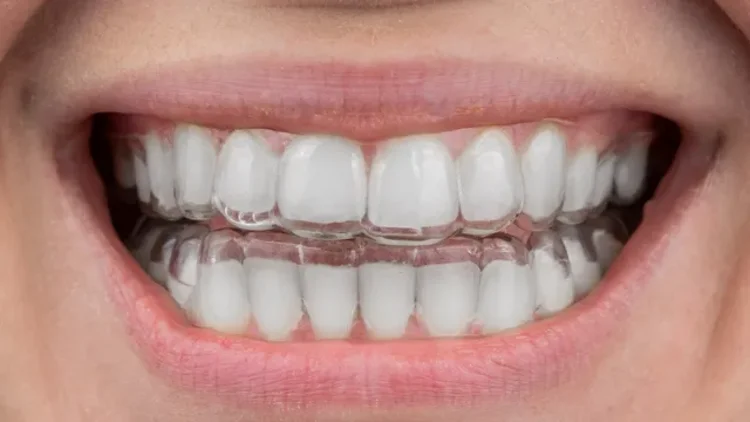
Functional Symptoms: When Teeth Interfere With Daily Life
Some signs of orthodontic need have nothing to do with appearance and everything to do with function. Adults often seek treatment when misalignment begins to affect comfort, speech, or daily activities.
Common functional symptoms include:
- Difficulty biting into or chewing certain foods
- Frequent accidental biting of the cheek or tongue
- Speech changes due to tooth position
- Tooth wear from grinding or misalignment
- Increased jaw fatigue when speaking or chewing
Persistent discomfort may also be linked to TMJ strain, which overlaps with symptoms addressed in TMJ disorders. If daily function feels limited, orthodontic treatment may significantly improve comfort and long-term oral stability.
Read more: Invisalign Cost
Aesthetic or Confidence-Based Reasons for Orthodontics as an Adult
Many adults pursue orthodontics for cosmetic reasons, and these motivations are entirely valid. Feeling confident in your smile can improve self-esteem, communication, and comfort in professional and social settings. Whether your concern is mild crowding or noticeable gaps, treatment options range from discreet aligners like Invisalign to tooth-colored ceramic braces.
Some adults also explore cosmetic enhancements alongside alignment correction. When evaluating appearance-based goals, dentists may discuss both orthodontic and cosmetic paths.
The JCC Practice has also talked about this:
“Orthodontic treatment has far-reaching effects beyond dental correction. Emotional health and social experiences are intricately tied to the treatment process, underscoring the need for patient-centred orthodontic care.”

Why Teeth Shift With Age
Teeth naturally move throughout life, and several key biological and lifestyle factors contribute to this gradual shifting. Even adults who had braces as teens or young adults can experience changes over time. Here is a more precise, more structured breakdown:
- Natural Bone Remodeling Over Time
As you age, the jawbone undergoes continuous remodeling. This slow, natural process can subtly change tooth positions. Even tiny structural adjustments can cause visible crowding or spacing, especially in the lower front teeth. - Gum Tissue Changes
The gums recede slightly with age, reducing the stability that keeps teeth firmly in place. When the supporting tissues weaken, the teeth become more prone to drifting, rotating, or tilting. - Long-Term Effects of Grinding
Chronic grinding applies directional pressure that gradually pushes teeth forward or causes them to rotate. - Not Wearing Retainers After Braces
Retainers maintain corrected alignment. Without them, your teeth slowly return toward their original position, a process called orthodontic relapse. Even minor lapses can lead to noticeable shifting over time. - Changes in Facial Structure
Aging affects the lips, cheeks, and surrounding muscles. Reduced tone can subtly influence tooth position by altering how soft tissues apply daily pressure on the teeth.
Because multiple factors contribute to shifting, adults often benefit from orthodontic re-evaluation, especially if changes affect hygiene, bite comfort, or appearance. Treatment options such as Invisalign provide predictable, discreet correction for age-related relapse.
Book Your Orthodontic Consultation
If you’re noticing alignment changes, bite discomfort, or cosmetic concerns, our team can help you understand whether braces or Invisalign are right for you. Smile Plus Dentistry provides complete evaluations, personalized treatment planning, and supportive care for adults exploring orthodontic options.
Move Ahead With Clarity on the Signs You Need Braces
Recognizing the signs you need braces as an adult starts with noticing changes in alignment, bite comfort, and daily function. Issues like crowding, spacing, bite imbalance, or jaw discomfort are strong indicators that orthodontic care may benefit your long-term oral health. Adults also pursue treatment for confidence, comfort, and prevention, not just cosmetics — and modern options make orthodontics more accessible than ever.
If you’re unsure whether your symptoms require treatment, Smile Plus Dentistry can help. Our team evaluates alignment, bite function, and overall oral health and offers solutions including Invisalign, cosmetic dentistry, and comprehensive General Dentistry care.
Book a consultation today to understand your orthodontic needs and explore the best path toward a healthier, more confident smile.
FAQ
-
Do adults really need braces, or is orthodontics only for teens?
Adults often benefit just as much as teens. Orthodontics can correct alignment, bite issues, oral hygiene challenges, and discomfort at any age.
-
Can aligners fix bite issues as effectively as braces?
Yes, for many mild-to-moderate bite problems. Severe or complex bite issues may require braces.
-
How do I know if my crooked teeth are a cosmetic issue or a functional problem?
If crooked teeth affect cleaning, chewing, comfort, or cause wear, they are a functional concern. A professional evaluation helps determine the difference.
-
Are braces or aligners worth it for mild alignment issues?
Yes. Even small misalignments can worsen over time, affect hygiene, or reduce confidence. Early correction prevents long-term complications.
Have a Question About Adult Orthodontics?
Leave a comment below or ask us about your specific situation
No Comments