
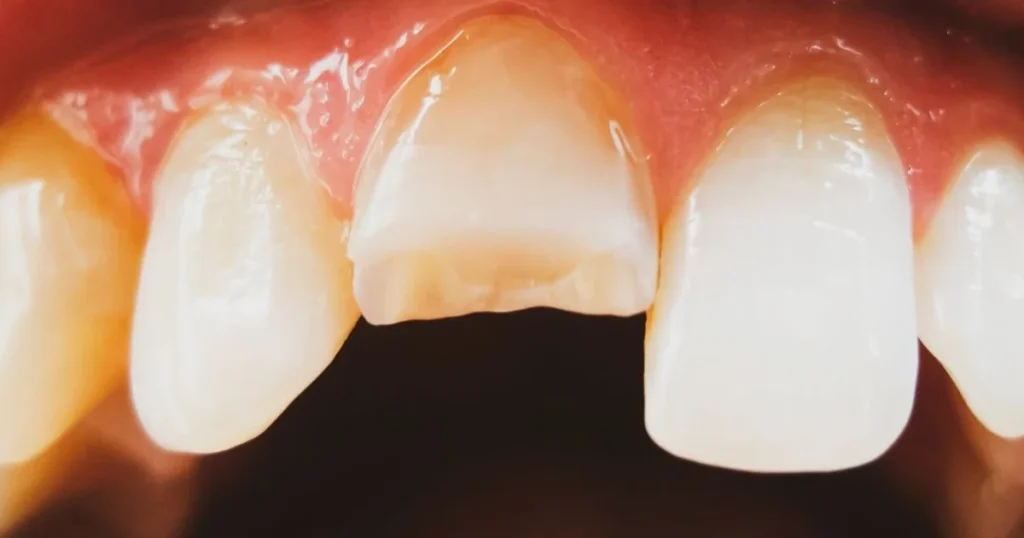
Many patients with chipped or cracked teeth want to know if a conservative treatment can restore their teeth safely and naturally. In many cases, cavities & fillings techniques using composite materials are adapted for cosmetic tooth repair, making dental bonding a practical option. Understanding how bonding works and when it’s appropriate helps patients avoid unnecessary treatment while still protecting their tooth.
This article explains how dental bonding repairs damaged teeth, when it is recommended, how long it lasts, and when other options may be better.
How Dental Bonding Works for Chipped or Cracked Teeth
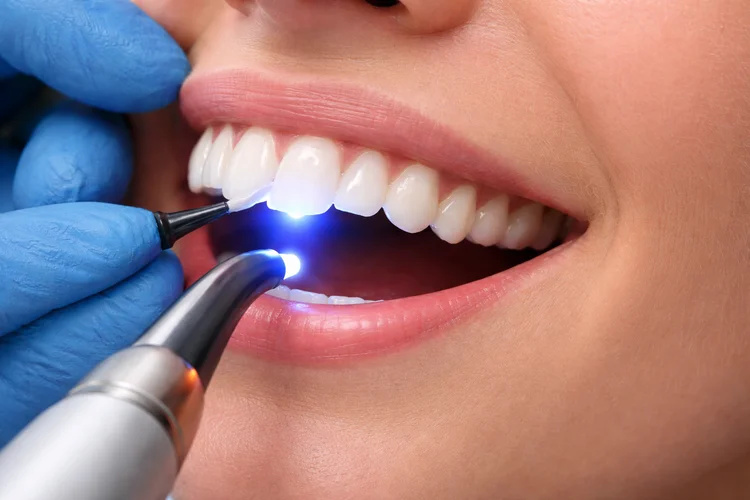
Dental bonding repairs minor tooth damage by applying a tooth-colored composite material directly to the affected area. The material is shaped to restore the tooth’s form, then hardened and polished to blend with natural enamel.
Composite Resin
Composite resin is a durable, tooth-colored material designed to bond directly to tooth enamel. It mimics the natural appearance of teeth and allows precise shaping. Because it adheres chemically to enamel, it provides strength while preserving healthy tooth structure.
Types of Cracks Suitable for Bonding
Dental bonding works best for:
- Small chips along the tooth edge
- Superficial cracks that do not extend into the root
- Hairline enamel fractures
- Minor cosmetic cracks on front teeth
Cracks that extend deeply into the tooth or compromise structural integrity usually require stronger restorative solutions.
When Dental Bonding is Recommended
Bonding is recommended when the tooth is otherwise healthy, the damage is limited, and the bite pressure is low. It is commonly used on front teeth or areas not exposed to heavy chewing forces. Dentists may also recommend bonding as a temporary or transitional repair.
Read more: Invisalign process
Benefits of Dental Bonding for Tooth Repair
Dental bonding offers several advantages for repairing chipped or cracked teeth. It is minimally invasive, often completed in one visit, and preserves natural tooth enamel. Patients appreciate that bonding provides immediate cosmetic improvement without the need for extensive preparation.
Bonding is also more affordable than many restorative alternatives and can be adjusted or repaired if minor damage occurs later. For patients seeking conservative tooth repair, bonding is often an excellent first option within cosmetic dentistry.
Limitations of Dental Bonding for Cracked Teeth
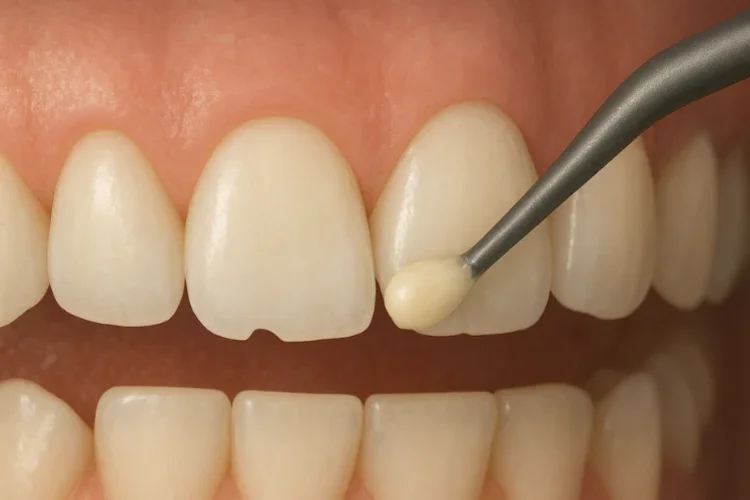
While bonding is effective for minor damage, it is not suitable for every crack. Composite resin is not as strong as porcelain or natural tooth structure and may chip or wear over time, especially in areas exposed to heavy bite pressure.
Bonding is not recommended for deep cracks, teeth with significant structural loss, or cracks that extend below the gumline. In these cases, stronger restorations such as crowns may be necessary to protect the tooth long term.
Dental Bonding vs Other Repair Options
| Treatment option | Best for | Strength | Tooth structure removal | Longevity |
|---|---|---|---|---|
| Dental bonding | Small chips, minor cracks | Moderate | Minimal | Several years |
| Dental veneers | Cosmetic surface damage | High | Moderate | Long-term |
| Dental crowns | Deep cracks or fractures | Very high | Significant | Long-term |
Bonding is the most conservative option, while veneers and crowns provide greater durability for more extensive damage.
Read more: Crown cost without insurance
How Long Does Dental Bonding Last on Chipped Teeth
Dental bonding typically lasts several years, depending on oral habits, bite forces, and maintenance. Avoiding nail biting, chewing ice, and using teeth as tools helps extend its lifespan. Regular checkups allow early repairs if wear or chipping occurs.
Bonded teeth can be refreshed or repaired more easily than porcelain restorations, making bonding a flexible option for long-term tooth maintenance when used appropriately.
The Mayo Clinic also says:
“You can usually get dental bonding done in a single office visit. The bonding material typically lasts between three and 10 years before it needs to be touched up or replaced.”
Unsure If Dental Bonding Is Right for Your Tooth?
Chipped or cracked teeth don’t always require invasive treatment, but choosing the wrong solution can lead to further damage over time. A professional evaluation helps determine whether dental bonding is strong enough for your tooth or not. Schedule an appointment to get clear guidance and a treatment plan tailored to your tooth and bite.
Restore Chipped Or Cracked Teeth With Dental Bonding
Dental bonding is a safe, effective solution for repairing small chips and minor cracks when the tooth is otherwise healthy. It restores appearance, protects enamel, and avoids unnecessary removal of tooth structure. However, its success depends on proper case selection and realistic expectations.
If you’re unsure whether bonding is right for your chipped or cracked tooth, Smile Plus Dentistry can evaluate the damage and recommend the most appropriate treatment. A professional assessment ensures your tooth is protected while achieving a natural-looking result.
FAQ
-
Can dental bonding fix a cracked tooth permanently?
Bonding can provide long-lasting repair for minor cracks, but deeper cracks may require crowns for permanent protection.
-
Is dental bonding strong enough for front teeth?
Yes. Bonding works well for front teeth because they experience less biting force than back teeth.
-
When is a crown better than bonding?
A crown is recommended when the crack is deep, the tooth is structurally weakened, or the tooth bears heavy chewing pressure.
Leave a comment or book an evaluation to get clear guidance on the safest and most effective treatment for your chipped tooth.
No Comments