
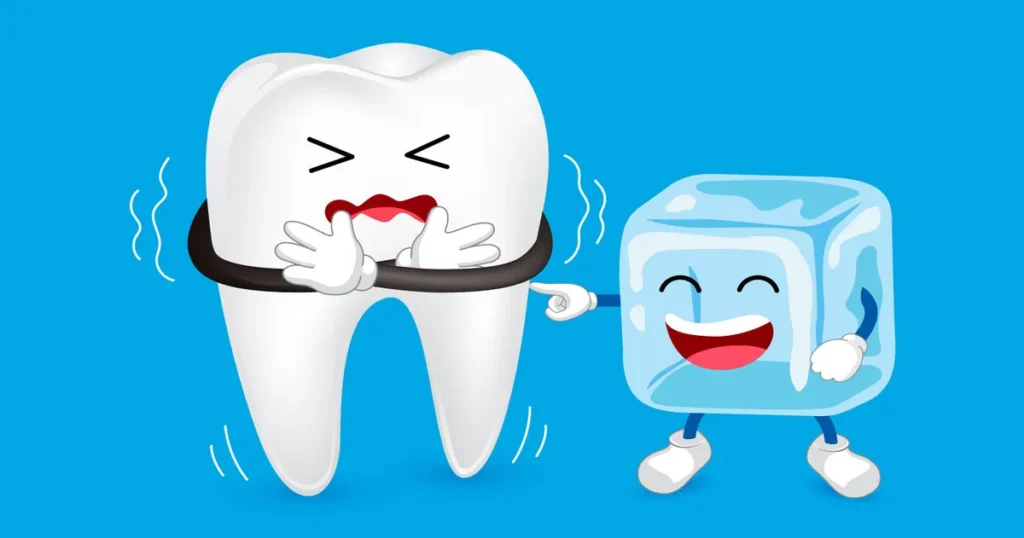
Do you wince when you sip a hot coffee or enjoy an ice cream? If your teeth are sensitive to hot and cold, you are not alone. Millions of Canadians experience this sharp, temporary pain, also known as tooth sensitivity. It can turn everyday eating and drinking into a painful experience, significantly impacting your quality of life.
Understanding why your teeth are sensitive to hot and cold is the first step toward finding relief. We will help you regain comfort and enjoy your favourite foods and drinks without fear of sudden pain-sensitive teeth.

Why Do Your Teeth Become Sensitive?
At the core of tooth sensitivity is the exposure of the dentin. Dentin is the softer, porous layer beneath your tooth enamel. It contains microscopic tubules that lead directly to the tooth’s nerve. When dentin loses its protective covering, hot, cold, sweet, or acidic stimuli can reach these nerves, triggering pain.
Dental Cavities
A dental cavity is a hole in your tooth caused by decay. As a cavity deepens, it erodes both enamel and dentin, creating a direct pathway for stimuli to reach the tooth’s nerve. This often causes tooth sensitivity, particularly to sweet and cold substances. Addressing cavities promptly with dental fillings is crucial.
Enamel Erosion
Enamel is the hard, outer layer of your teeth. It protects the underlying dentin. Enamel erosion occurs when this protective layer wears away. This can happen due to consuming highly acidic foods and drinks, vigorous brushing, or teeth grinding. Once enamel erodes, the dentin becomes exposed, leading to sensitivity.
Gum Recession
Your gums protect the roots of your teeth. Gum recession happens when gum tissue pulls back, exposing the tooth roots. These roots are covered by cementum, a softer material than enamel, which can wear away more easily. Exposed roots are highly susceptible to tooth sensitivity, especially to cold temperatures.
Cracked Teeth or Fillings
A cracked tooth or a damaged filling can also expose the dentin or even the pulp (the innermost part of the tooth containing nerves and blood vessels). These cracks can be tiny and invisible to the naked eye. Chewing pressure can cause the crack to open, stimulating the nerve and leading to sharp, sudden pain, often making teeth sensitive to cold or pressure.
Bruxism (Teeth Grinding)
Grinding or clenching your teeth, known as bruxism, puts immense pressure on your teeth. This can wear down enamel over time, leading to dentin exposure. It can also cause tiny cracks in the teeth, contributing to tooth sensitivity.
Aggressive Brushing
Brushing too hard or using a toothbrush with stiff bristles can wear away enamel and damage gum tissue. This aggressive action can contribute to both enamel erosion and gum recession, leaving your teeth vulnerable to sensitivity.
Acidic Foods and Drinks
Regular consumption of highly acidic foods and drinks like citrus fruits, sodas, sports drinks, and wine can soften tooth enamel. This softening makes the enamel more susceptible to wear during brushing, accelerating enamel erosion and increasing sensitivity.
Recent Dental Procedures
It is normal to experience some temporary tooth sensitivity after certain dental procedures, such as fillings, crowns, or professional teeth whitening. This sensitivity usually subsides within a few days or weeks as your teeth recover. If it persists, consult your dentist.
The Mayo Clinic also confirms these reasons:
“Sensitive teeth can happen due to tooth enamel that’s worn down or tooth roots that become exposed. But sometimes other factors cause sensitivity. They might include a cavity, a cracked or chipped tooth, a worn filling, or gum disease. Using teeth whiteners also may lead to tooth sensitivity.”
When to Seek Professional Help
While some mild tooth sensitivity can be managed at home, it is crucial to know when to visit your dentist. You should schedule an appointment if:
- The sensitivity is severe or persistent and does not improve with at-home care.
- You experience sudden tooth sensitivity that seems to have no obvious cause.
- Pain occurs spontaneously without a trigger or lasts for a long time after exposure to hot or cold.
- You notice visible signs of tooth decay, gum recession, or cracks in your teeth.
- Sensitivity is accompanied by swelling, fever, or constant throbbing pain, which could indicate a more serious infection.

Effective Treatments for Sensitive Teeth
Relief for tooth sensitivity is often readily available. The right approach depends on the underlying cause. Your dentist will help determine the best course of action.
At-Home Remedies and Lifestyle Changes
- Use Desensitizing Toothpaste: Many toothpastes contain compounds like potassium nitrate or strontium chloride. These ingredients block the tiny tubules in the dentin, preventing stimuli from reaching the nerves. Consistent use is key.
- Soft-Bristled Toothbrush: Switch to a soft-bristled brush and use gentle, circular motions. This protects your enamel and gums from further damage.
- Fluoride Mouthwash: Over-the-counter fluoride rinses can help strengthen enamel and reduce sensitivity.
- Limit Acidic Foods and Drinks: Reduce your intake of acidic items. If you consume them, rinse your mouth with water afterwards to neutralize acids.
- Avoid Teeth Grinding: If you grind your teeth, especially at night, your dentist might recommend a custom mouthguard to protect your enamel.
Professional Dental Treatments
When at-home care is not enough, or if there is an underlying dental problem, professional treatments can provide lasting relief for sensitive teeth.
- Fluoride Varnish or Gel: Your dentist can apply a professional-strength fluoride varnish to sensitive areas. This treatment strengthens enamel and dentin, significantly reducing sensitivity.
- Dental Bonding or Crowns: For areas of exposed root surfaces or significant enamel loss, your dentist may apply a bonding resin. This material covers the exposed dentin, acting as a barrier. For more extensive damage, a crown might be necessary.
- Gum Grafts: If gum recession is severe and contributing to sensitivity, a minor surgical procedure called a gum graft can cover the exposed root surfaces, protecting them and reducing sensitivity.
- Root Canal Therapy: In cases where sensitivity is severe and persistent, indicating a problem with the tooth’s pulp, root canal therapy might be recommended. This procedure removes the inflamed or infected pulp, effectively eliminating sensitivity.
Find Your Sensitivity Solution
From fluoride treatments to root canals, Smile Plus Dentistry offers comprehensive sensitive teeth treatment options for different issues. Book an appointment for personalized guidance and peace of mind.
Preventing Future Tooth Sensitivity
Prevention is always better than cure, especially when it comes to oral health. Adopting good habits can significantly reduce your risk of developing tooth sensitivity.
- Maintain Excellent Oral Hygiene: Brush twice a day with a fluoride toothpaste and floss daily. This removes plaque and prevents gum disease, which can lead to recession.
- Use a Soft Toothbrush: Always opt for a soft-bristled toothbrush to protect your enamel and gums.
- Limit Acidic Foods and Drinks: As mentioned, reducing acidic intake helps preserve enamel. If you do consume them, rinse your mouth with water afterward.
- Regular Dental Checkups: Professional cleanings and dental checkups at Smile Plus Dentistry are vital. Your dentist can identify early signs of enamel erosion, gum recession, or cavities before they cause significant sensitivity.
- Address Bruxism: If you grind or clench your teeth, discuss solutions with your dentist. A nightguard can protect your teeth from wear and tear.
Conclusion
Dealing with teeth sensitive to hot and cold does not have to be a lifelong struggle. By understanding the causes and exploring the wide range of available treatments, you can find lasting relief. Regular dental visits are your best defence against tooth sensitivity and other oral health issues. At Smile Plus Dentistry, we are committed to helping you achieve and maintain optimal oral health.
FAQ
-
Why are my teeth sensitive to cold only?
Sensitivity to cold is very common. It often indicates minor enamel wear, gum recession, or a small cavity. The cold stimulus irritates the exposed dentin tubules. If it is persistent or sharp, it is best to have it checked.
-
Can sensitive teeth be a sign of something serious?
Sometimes, yes. While often benign, tooth sensitivity can signal underlying issues like deep cavities, cracked teeth, or even an infection in the tooth’s pulp. Persistent or severe sensitivity warrants a dental examination to rule out serious conditions.
-
How long does tooth sensitivity last after a filling?
It is normal to experience some tooth sensitivity to hot and cold for a few days or weeks after a filling. This usually subsides as the tooth adjusts. If sensitivity persists beyond a few weeks or worsens, contact your dentist.
No Comments