
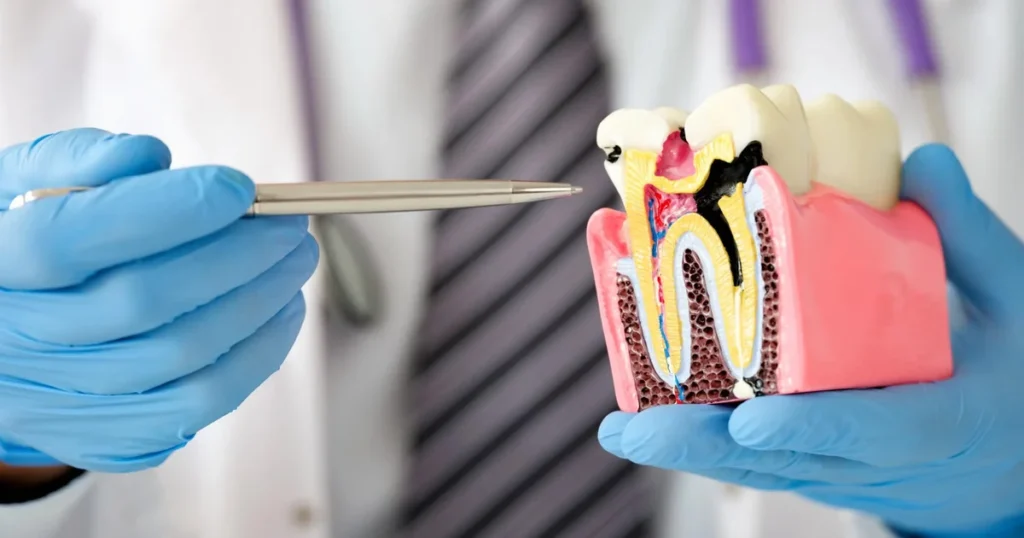
Many patients delay treatment when told they need a root canal because they fear pain or believe the procedure is unnecessary. In reality, untreated tooth infections can worsen quickly and lead to serious complications, including abscesses, bone loss, and tooth loss. Understanding why root canal treatment is essential helps patients make informed decisions that protect both oral and overall health.
In this article, we explain what root canal treatment involves, why infections occur, what happens when treatment is delayed, and how root canals preserve your natural teeth and prevent further health risks.
What Is Root Canal Treatment and Why Is It Needed?
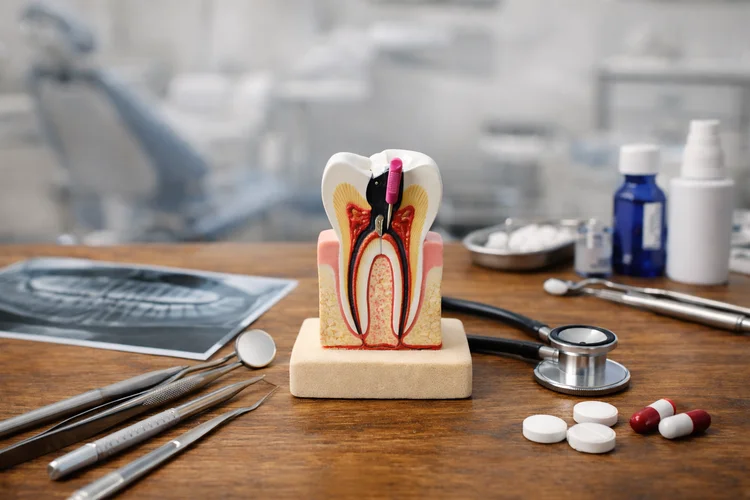
Root canal treatment, also known as endodontic therapy, is a procedure used to remove infection from inside a tooth. The goal is to eliminate bacteria from the dental pulp, relieve pain, and save the natural tooth structure.
How Tooth Pulp Becomes Infected
Inside each tooth is soft tissue called dental pulp, which contains nerves and blood vessels. When bacteria enter through deep decay, cracks, or trauma, the pulp becomes inflamed or infected. This infection cannot heal on its own because bacteria continue to spread within the sealed tooth structure.
Common Causes of Root Canal Infections
Root canal infections often develop due to untreated cavities, repeated dental procedures on the same tooth, cracked or fractured teeth, or trauma that damages the pulp. In some cases, patients may not feel pain initially, allowing the infection to progress unnoticed until symptoms worsen and emergency dental care is required.
Read more: Root canal cost
What Happens If an Infected Tooth Is Left Untreated
Leaving an infected tooth untreated allows bacteria to spread beyond the tooth into surrounding tissues. Over time, this can lead to abscess formation, jawbone damage, and worsening pain or swelling. Infection may also spread to other areas of the mouth and, in severe cases, impact overall health.
As the infection progresses, the tooth structure weakens, increasing the risk of fracture and eventual tooth loss. At this stage, saving the tooth may no longer be possible, making extraction the only option. Early intervention through root canal treatment helps prevent these outcomes and preserve your natural smile.
How Root Canal Treatment Protects Your Oral and Overall Health
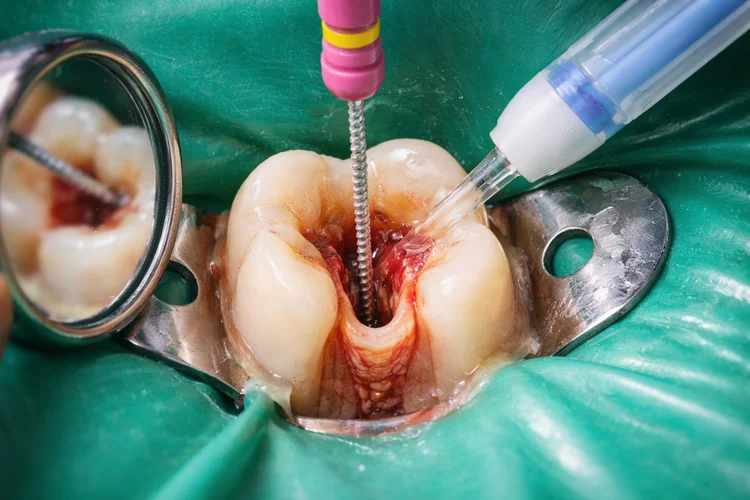
Root canal treatment removes infected tissue, disinfects the inner tooth, and seals it to prevent reinfection. This stops inflammation, eliminates pain, and allows surrounding tissues to heal. By preserving the natural tooth, root canal therapy maintains proper chewing function and prevents shifting of nearby teeth.
After treatment, the tooth is often restored with a protective dental crown to strengthen it and restore full function. Preserving natural teeth also reduces the need for more complex procedures later, supporting long-term oral stability and overall well-being.
Let’s bring in a quote by AAE, which is about the importance of root canal treatment:
“There are many clinical reasons for needing root canal treatment, but there are also countless practical reasons why saving the natural tooth is a wise choice. Endodontic treatment helps you maintain your natural smile, continue eating the foods you love and limits the need for ongoing dental work. With proper care, most teeth that have had root canal treatment can last a lifetime.”
Read more: The Relation Between Oral Health and Overall Health
Common Myths About Root Canals That Cause Delays in Treatment
Misunderstandings about root canal treatment often lead patients to delay care, allowing infections to worsen. Below are the most common myths, along with the facts that patients need to understand:
- Myth: Root canal treatment is extremely painful
Modern root canal procedures are designed to relieve pain, not cause it. Local anesthesia ensures the tooth is fully numb, and most patients report the procedure feels similar to getting a filling. The pain people associate with root canals usually comes from the infection itself, not the treatment. - Myth: If the pain goes away, the tooth is healing
When pain subsides on its own, it often means the nerve inside the tooth has died. This does not mean the infection is gone. Bacteria remain within the tooth and can continue to spread silently, increasing the risk of abscess formation and bone damage. - Myth: Antibiotics can replace a root canal
Antibiotics may temporarily reduce swelling or discomfort, but they cannot remove infected dental pulp. Without cleaning and sealing the inside of the tooth, the infection will return. Root canal treatment is the only way to eliminate bacteria within the tooth fully. - Myth: It’s better to extract the tooth than save it
Preserving your natural tooth is almost always the healthiest option. Extraction can lead to shifting teeth, bite problems, and the need for replacement treatments. Root canal therapy allows you to keep your tooth while restoring function and comfort. - Myth: Root canals don’t last, and the tooth will fail anyway
When properly treated and restored, root canal-treated teeth can last for decades. A protective dental crown strengthens the tooth and allows it to function normally in daily chewing. - Myth: Root canals cause illness or systemic health problems
This belief is based on outdated research that has been scientifically disproven. Root canal treatment removes infection and reduces inflammation, helping protect both oral and overall health.
Understanding these myths helps patients make informed decisions and avoid unnecessary pain, complications, or tooth loss caused by delaying treatment.
When You Should See a Dentist About Possible Root Canal Symptoms
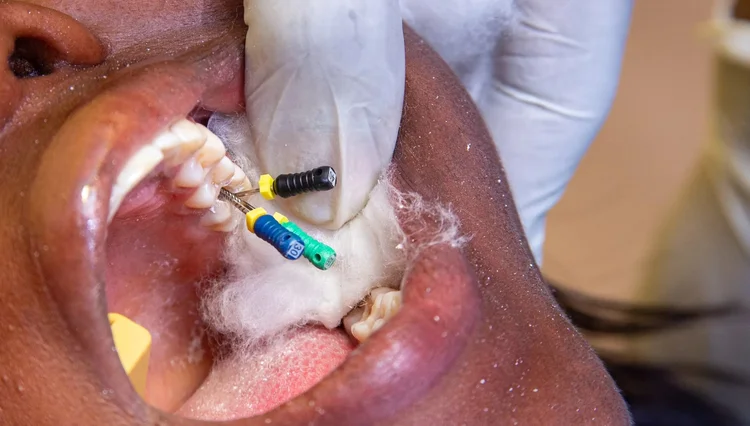
You should see a dentist promptly if you experience persistent tooth pain, sensitivity to heat or cold, gum swelling, tooth discoloration, or a recurring pimple-like bump on the gums. These signs often indicate infection within the tooth that requires professional care.
A thorough dental checkup allows your dentist to diagnose the problem early and recommend appropriate treatment before the infection worsens. Early care reduces discomfort, cost, and the risk of complications.
Concerned About Root Canal Symptoms?
Delaying root canal treatment due to fear or misinformation can allow infection to worsen and put your oral health at risk. At Smile Plus Dentistry, we focus on gentle, modern root canals that relieve pain, stop infection, and preserve your natural tooth.
Support Long-Term Wellness With Root Canal Treatment
Root canal treatment plays a vital role in stopping infection, relieving pain, and preserving your natural teeth. When performed early, it prevents the spread of bacteria, protects surrounding tissues, and supports long-term oral health. Delaying treatment increases the risk of serious complications and may ultimately lead to tooth loss.
If you are experiencing symptoms or have been told you may need a root canal, Smile Plus Dentistry is here to help. Our team provides expert root canals, thorough dental checkups, and supportive care focused on comfort and long-term results. Contact us today to protect your oral health and restore your peace of mind.
FAQ
-
Is root canal treatment painful?
No. Modern root canal treatment is performed under local anesthesia and is typically no more uncomfortable than getting a filling.
-
Can a tooth heal on its own without a root canal?
No. Once the dental pulp is infected, it cannot heal without treatment. The infection will continue to spread if left untreated.
-
How long does a root canal-treated tooth last?
With proper care and restoration, a root canal-treated tooth can last many years, often a lifetime.
-
Is extraction better than a root canal?
Preserving the natural tooth is usually the best option. Extraction often leads to additional procedures to replace the missing tooth.
Have Questions About Root Canal Treatment?
Leave a comment below or reach out to our team.
We’re happy to explain your options and help you feel confident about your care.
No Comments