
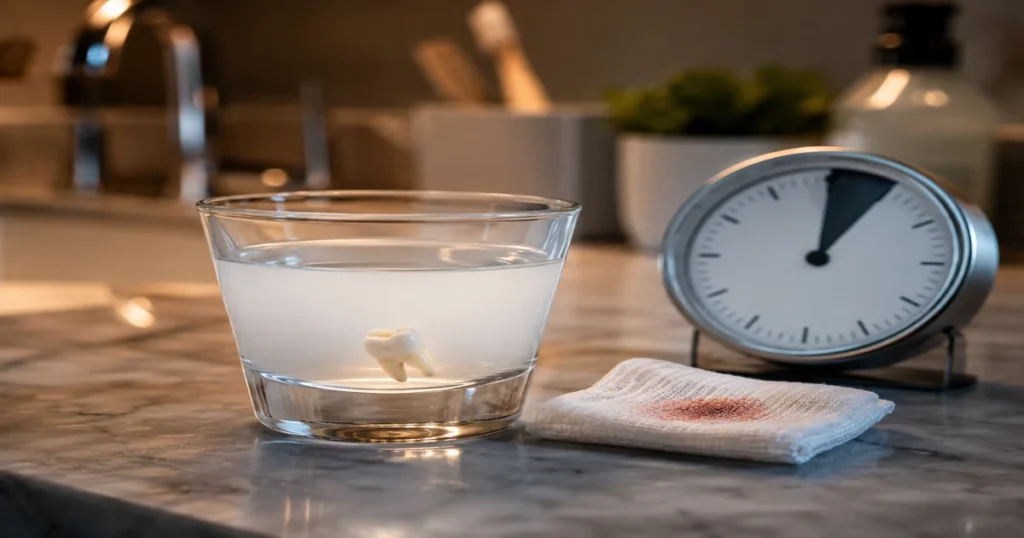
If a permanent tooth has been knocked completely out, pick it up by the crown, rinse off visible dirt without scrubbing, and place it back in the socket if this can be done safely. If reinsertion is not possible, keep the tooth in cold milk and contact a clinic that provides dental emergencies immediately. Never reinsert a baby tooth.
The sections below explain what to do with a knocked-out tooth, which storage liquids protect the root, when hospital care is necessary, and how a dentist may reimplant and stabilize the tooth.
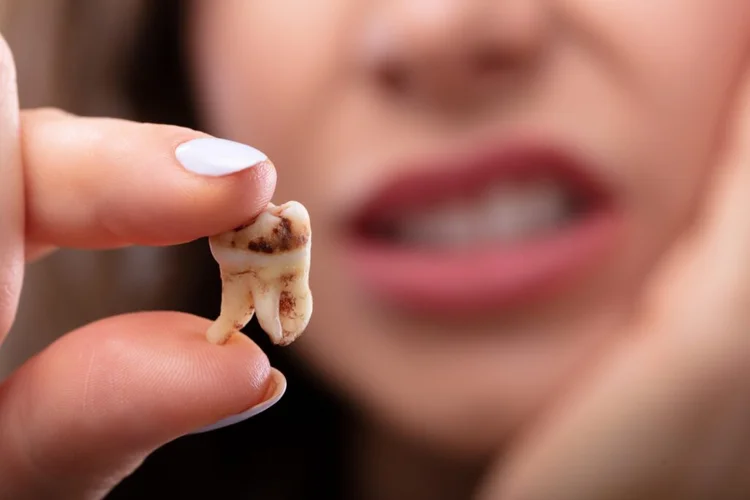
What to Do in the First 30 Minutes After a Tooth Is Knocked Out
A completely dislodged tooth is called an avulsed tooth. Once it leaves the socket, the periodontal ligament cells covering the root begin to dry out. Immediate reimplantation provides the strongest chance of preserving these cells, but the tooth must be handled correctly.
Call an emergency dentist as soon as the tooth is found. Another person can make the call while you manage the tooth.
Pick Up the Tooth by the Crown
Locate the tooth and hold it only by the crown, which is the white part normally visible above the gum. Do not hold the yellowish root.
The root surface contains periodontal ligament cells that help the tooth reconnect with the surrounding tissues. Touching or squeezing the root can damage these cells and reduce the tooth’s prognosis.
If the tooth has landed on the ground, do not scrape away dirt with your fingers. Continue holding it by the crown while preparing to rinse it.
Rinse It Without Scrubbing
If the tooth is dirty, briefly rinse it with milk or sterile saline. The patient’s saliva may also be used. A short rinse under cool running water may be used when none of these options is available, but the tooth should not be left soaking in tap water.
Do not use soap, alcohol, disinfectant, or household cleaning products. Do not brush the root, wipe it with a cloth, or remove attached tissue. The purpose is to remove loose debris without disturbing the root surface.
Reinsert It or Keep It Moist
For a permanent tooth, try to return it to the socket immediately if the person is conscious and able to cooperate. Hold the tooth by the crown, check that it is facing the correct direction, and press it slowly into the socket. Do not force it.
Once it is in position, the person can bite lightly on clean gauze or a folded cloth to hold it in place. The tooth may not sit perfectly. A dentist can assess and correct the position.
Do not attempt reinsertion when there is a risk of the tooth being swallowed, the person is unconscious, or a serious facial injury is present. Place the tooth in a suitable storage liquid instead and seek urgent care. Immediate reimplantation is preferred, but correct moist storage can protect the root during transport.
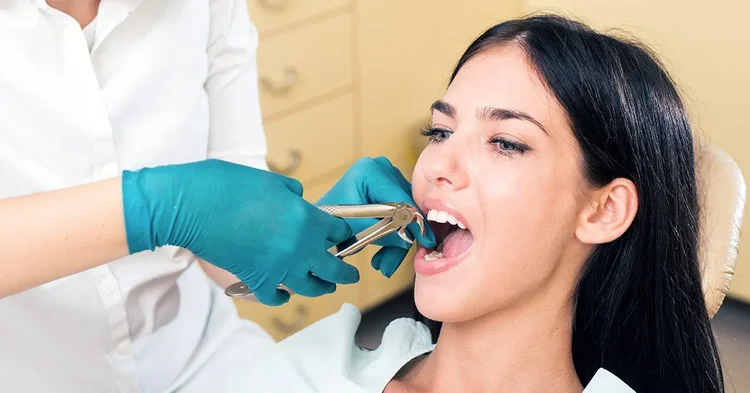
What Not to Do With a Knocked-Out Tooth
Mistakes made during the first few minutes can damage the root or allow it to dry. Avoid the following:
- Do not touch or scrape the root.
- Do not scrub the tooth with a toothbrush.
- Do not use soap, alcohol, or disinfectant.
- Do not wrap the tooth in dry tissue or cloth.
- Do not leave the tooth on a counter or in a plastic bag without liquid.
- Do not store it in tap water for an extended period.
- Do not reinsert a baby tooth.
- Do not postpone the dental appointment because the pain is mild.
The absence of severe pain does not make the injury less urgent. A permanent tooth can still lose viable root cells while it remains outside the socket.
The Cleveland Clinic emphasizes this too:
“An avulsed tooth is a tooth that’s been knocked out. This is a dental emergency. If this happens to you, put your tooth back in its socket right away and call a dentist. Doing that increases the chance it’ll be saved. If that treatment doesn’t work, your dentist may recommend treatments like dental bridges or dental implants.”
Read more: What Services Emergency Dental Clinics Provide
Where to Store the Tooth if You Cannot Put It Back
Cold milk is usually the most practical storage option because it helps protect the cells on the root and is commonly available. Place enough milk in a clean container to cover the entire tooth.
A commercial tooth-preservation product containing Hank’s Balanced Salt Solution is another suitable option. Sterile saline may also be used. If these are unavailable, the patient can spit into a container, and the tooth can be placed in the saliva. The International Association of Dental Traumatology lists milk, a tooth-preservation solution, saliva, and saline as acceptable transport media.
Do not allow the tooth to dry while searching for the preferred liquid. Although water is a poor storage medium, placing the tooth briefly in water may be less damaging than leaving it exposed to air when no alternative exists. Replace the water with milk or saline as soon as possible.
Keeping the tooth inside the cheek is sometimes mentioned as an option for adults. A container is safer for children because a loose tooth may be swallowed or inhaled.
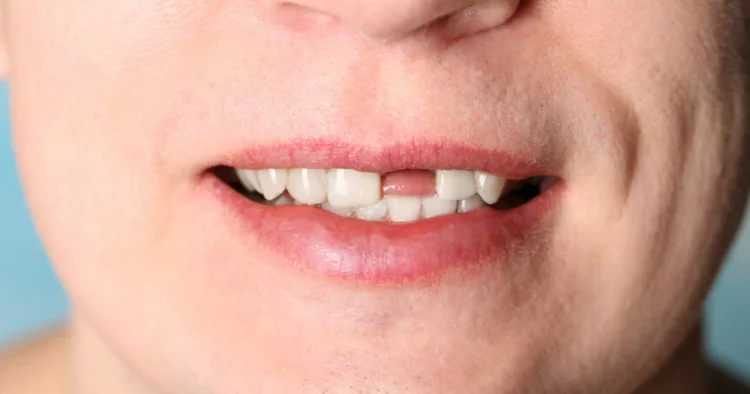
Permanent Tooth vs Baby Tooth
A knocked-out permanent tooth should usually be reinserted as quickly as possible. A knocked-out baby tooth must not be placed back in the socket because reinsertion could damage the developing permanent tooth underneath.
Parents may be uncertain about the type of tooth, particularly in children between approximately six and twelve years old. Keep the tooth moist and contact a dentist immediately when there is any uncertainty. Do not rely only on the child’s age because the timing of permanent tooth eruption varies.
A child with a knocked-out baby tooth still requires a dental examination. The dentist needs to check the socket, surrounding teeth, soft tissues, and the developing permanent tooth. The area may also contain a broken root fragment or another injury that cannot be identified at home.
Should You Go to a Dentist or the Emergency Room?
For an isolated knocked-out tooth, call an emergency dentist first. Dental clinics have the equipment needed to evaluate the socket, take dental X-rays, reimplant the tooth, and apply a stabilizing splint. The American Association of Endodontists recommends reaching a dentist or endodontist within 30 minutes when possible.
Go to a hospital emergency department or call 911 when the accident also involves:
- Loss of consciousness
- Difficulty breathing or swallowing
- Bleeding that cannot be controlled
- Suspected jaw or facial fracture
- Severe head or neck trauma
- Vomiting, confusion, or worsening drowsiness
Medical care takes priority when a serious head or facial injury may be present. Keep the tooth in milk or another suitable liquid while the injured person is being assessed. Dental treatment will still be needed as soon as the person is medically stable.
Read more: What to do with a dental emergency
What the Dentist Will Do With the Knocked-Out Tooth
The dentist will examine the injured area and check for damage to the neighbouring teeth, gums, socket, and jawbone. Dental X-rays may be taken to assess the socket and confirm the position of a replanted tooth.
If the tooth has not already been reinserted, the dentist may clean the root surface and socket before placing it back in position. The tooth should be inserted slowly rather than forced into the socket.
A flexible dental splint is usually attached to the injured tooth and nearby teeth for about two weeks. This keeps the tooth in position while allowing limited movement during healing. A more rigid splint may be required when the socket or jawbone is fractured.
The dentist may prescribe antibiotics after reimplantation and review the patient’s tetanus vaccination status, particularly when the tooth contacted soil or another contaminated surface. Follow-up examinations and X-rays are important because complications may develop after the initial healing period.
Mature permanent teeth commonly need root canal treatment after reimplantation because the blood supply to the pulp has been severed. Current dental trauma guidance generally recommends beginning root canal treatment within two weeks for a replanted tooth with a fully developed root. A young permanent tooth with an unfinished root may be monitored for signs that its blood supply has recovered before endodontic treatment is considered.
A Knocked-Out Tooth Needs Immediate Dental Care
Call Smile Plus Dentistry for an emergency appointment. Keep the permanent tooth in its socket or submerged in cold milk while travelling to the clinic.
Can a Tooth Still Be Saved After 30 Minutes?
Yes, a permanent tooth may still be reimplanted after 30 minutes, especially when it has been stored in milk or another suitable liquid. The chance of favourable healing decreases as the dry time increases, but the tooth should still be brought to a dentist.
Dental trauma guidelines classify a tooth that has remained dry for more than 60 minutes as having periodontal ligament cells that are likely no longer viable. Even then, reimplantation may preserve appearance, chewing function, and the shape of the jawbone for a period of time. The dentist will evaluate the expected benefits and possible complications.
Possible later complications include root resorption, infection, ankylosis, or eventual tooth loss. These risks are higher when the tooth has been dry for an extended period. They do not mean that treatment should be abandoned before a dentist has assessed the injury.
Do not spend additional time deciding if the tooth is still worth saving. Keep it moist and proceed directly to urgent dental care.
Conclusion
What to do with a knocked-out tooth depends first on whether it is permanent or primary. Reinsert a permanent tooth promptly when it can be done safely, or store it in cold milk. Hold it by the crown, protect the root, and reach an emergency dentist as quickly as possible. A baby tooth must remain out of the socket.
Smile Plus Dentistry provides emergency dental care in Surrey for knocked-out teeth and other dental injuries. Contact the clinic immediately after the accident so the dentist can assess the socket and determine if the tooth can be reimplanted.
FAQ
The following answers address common concerns about storing and treating a knocked-out tooth.
-
Can a knocked-out permanent tooth be put back in?
Yes. A permanent tooth can often be reinserted into its socket. Immediate reinsertion provides the strongest chance of preserving the root surface cells. The tooth still requires urgent dental examination and stabilization.
-
Should you put a knocked-out tooth in milk or water?
Use cold milk when the tooth cannot be reinserted. Milk protects the root better than tap water. Saline or a commercial tooth-preservation solution may also be used.
-
Why should you not touch the tooth root?
The root is covered with periodontal ligament cells needed for healing after reimplantation. Touching, scraping, or drying the root can damage these cells.
No Comments