
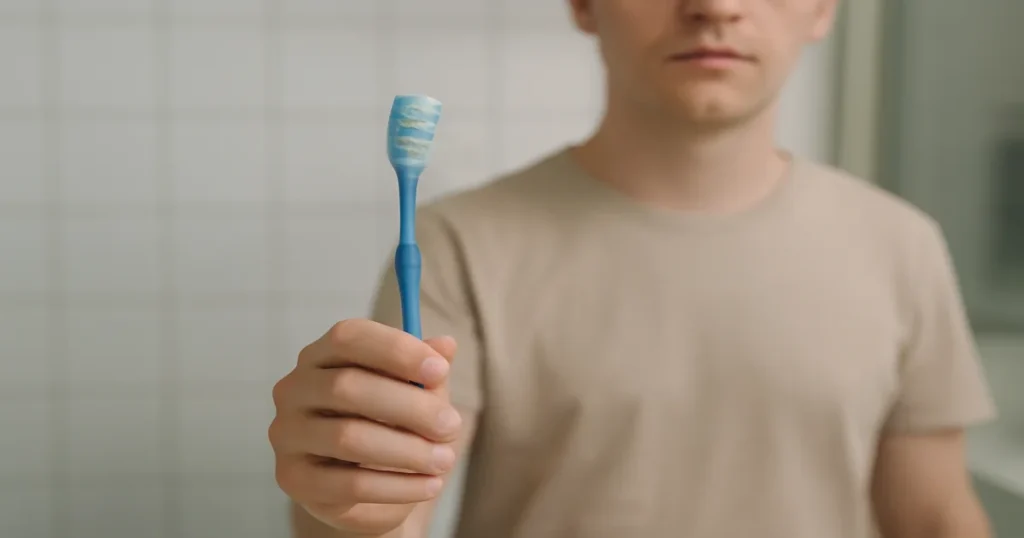
Replacing your toothbrush every 3 months is key to maintaining optimal oral health. A toothbrush that’s too worn or used too long won’t clean as effectively, which can lead to plaque build-up, gum disease, and even bacterial infections. How often to replace a toothbrush depends on a variety of factors, but following general dentistry guidelines ensures your brushing routine remains effective at preventing cavities, gum disease, and other oral health issues.
In this article, we’ll go over why toothbrush replacement matters, the general recommendations for when to replace your brush, signs that it’s time for a replacement sooner, and tips to maintain your toothbrush for maximum effectiveness.
Why It Matters to Replace Your Toothbrush Regularly
Using a toothbrush that’s past its prime can do more harm than good. As the bristles wear down, your toothbrush loses its ability to clean effectively, so it might not remove plaque or bacteria as thoroughly as it should. Regular replacement helps maintain optimal oral hygiene and prevent gum disease, but keep in mind that in some cases, teeth cleaning services are crucial.
Worn Bristles Promote Plaque Build-Up
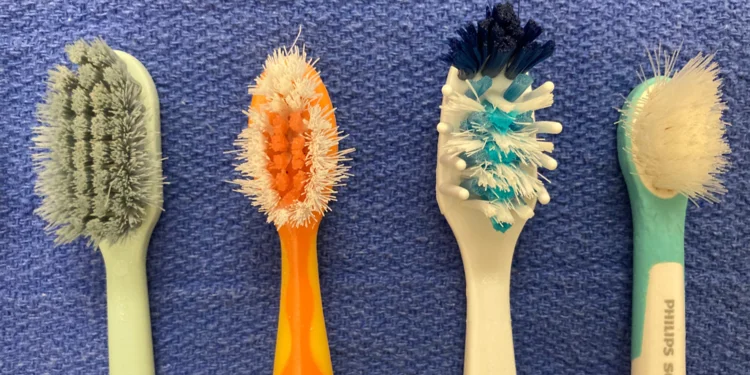
Bristles that are bent, frayed, or worn out can’t scrub away plaque effectively. The bristles lose their stiffness, which means they can’t reach the nooks and crannies of your teeth as well. Plaque, the sticky film of bacteria that forms on teeth, builds up over time, potentially leading to cavities, gum disease, and bad breath. Plaque removal is critical, and a worn-out toothbrush can’t do the job as effectively.
Risk of Bacterial Growth
A toothbrush with worn-out bristles or one that’s been used too long can become a breeding ground for bacteria. Bacteria thrive in warm, moist environments, and your toothbrush often spends time in your bathroom, where germs can accumulate. If the brush isn’t replaced in time, it could transfer harmful bacteria back into your mouth, potentially causing infections or worsening existing oral health problems, followed by bad breath.
Read more: Brush teeth after teeth removal
General Recommendation: Every 3–4 Months
The American Dental Association (ADA) recommends replacing your toothbrush every three to four months. Over time, the bristles naturally fray, reducing cleaning effectiveness. Replacing your toothbrush at this interval ensures you’re brushing effectively and can help you maintain better dental hygiene in the long term.
Even if your brush still looks okay, its bristles may be losing their ability to clean effectively as it ages.
Setting a regular schedule for toothbrush replacement will help you keep your oral care routine on track and maintain the health of your teeth and gums.
Read more: Oral health and overall health
When You Should Replace Your Toothbrush Sooner
While three to four months is the general guideline, certain situations may require you to replace your toothbrush sooner. Here are some signs that it’s time for a new toothbrush:
After an Illness or Infection
If you’ve recently been sick with a cold, flu, or other infections, it’s a good idea to replace your toothbrush after recovery. Germs can linger on the bristles, potentially leading to re-infection or prolonging illness. Replacing your brush helps ensure you don’t reintroduce harmful bacteria into your mouth after healing.
Bent, or Splayed Bristles
If you notice that your toothbrush bristles are bent, frayed, or splayed, it’s time to replace them. Worn bristles lose their cleaning ability and may even irritate your gums. When bristles become misshapen, it’s a sign that the toothbrush is no longer providing the level of cleaning it should. You should replace your brush immediately if you notice any of these signs.
Excessive Brushing Pressure
Using too much pressure when brushing or brushing more than twice a day can cause the bristles to wear out faster. Overbrushing can also damage your gums, leading to recession. If you find yourself brushing too hard or too often, it’s crucial to replace your toothbrush more frequently to avoid these issues.
Differences for Electric Toothbrushes
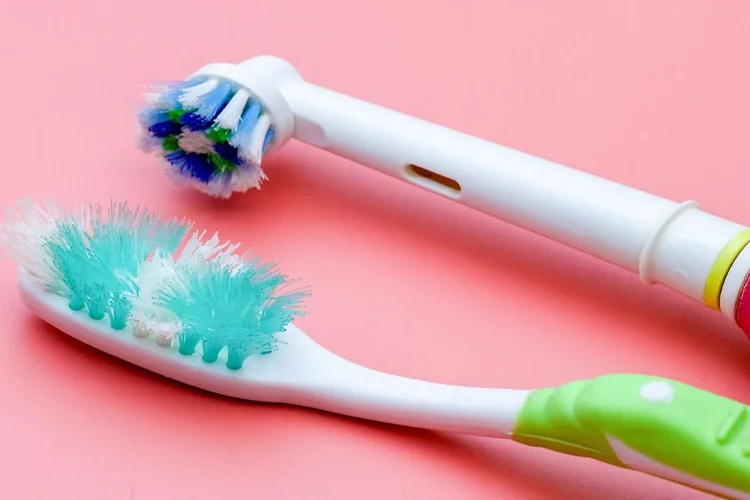
Electric toothbrushes typically need to be replaced every 3 to 4 months, just like manual ones. However, the bristles on electric toothbrush heads tend to wear out faster because they move at high speed. Over time, this motion can cause the bristles to become frayed, bent, or worn, reducing their ability to clean effectively. Additionally, many electric toothbrush heads are smaller than manual brush heads so that they can wear out more quickly due to increased contact with your teeth and gums.
Some electric toothbrush models come with indicators that change color to alert you when it’s time to replace the brush head. If your electric toothbrush doesn’t have this feature, check the bristles every few months to ensure they are still stiff and aligned. Replacing the brush head on time helps maintain optimal plaque removal, gum disease prevention, and overall oral hygiene.
Tips to Extend Toothbrush Effectiveness & Maintain Hygiene
Taking care of your toothbrush can help it last longer and perform better. Here are some simple tips to extend the effectiveness of your brush between replacements:
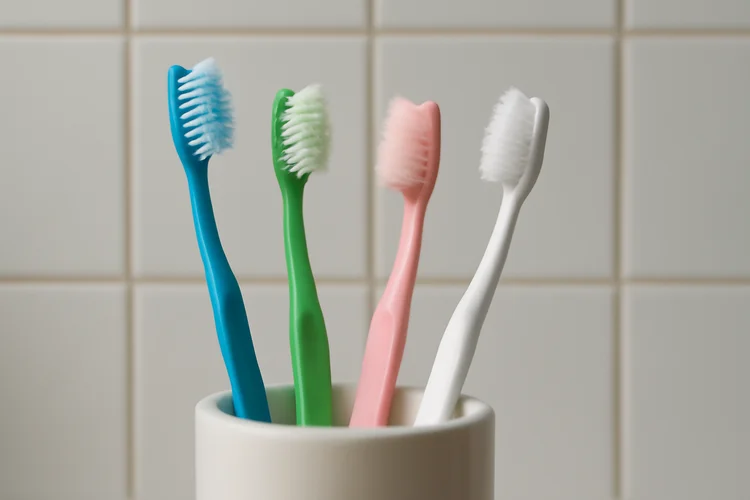
- Rinse thoroughly and let dry upright: After every use, rinse your toothbrush with water to remove toothpaste and debris. Allow it to dry upright in a holder so air can circulate and prevent bacterial growth.
- Store separately from other brushes: Avoid storing your toothbrush in a shared container where germs can transfer between brushes. Keeping your toothbrush separate ensures better hygiene.
- Replace promptly after illness: If you’ve been sick, replace your toothbrush to avoid reinfection. Bacteria from colds or the flu can linger on bristles, so it’s a good idea to switch to a new brush once you’re well again.
- Avoid covering the brush head: While it may seem like a good idea to cap the brush head, it actually traps moisture and promotes bacterial growth. Instead, store your toothbrush in an open space where it can dry thoroughly after each use.
- Use a toothbrush sanitizer: Consider investing in one that uses UV light or other methods to kill bacteria and germs that may linger on your brush. This can help ensure your toothbrush stays as clean as possible between replacements.
These small habits can help keep your toothbrush clean and effective for as long as possible between replacements. But don’t forget to make dental checkups part of your routine so you can have your teeth and oral health checked by an expert.
Keep Your Smile Fresh and Your Gums Healthy by Replacing Your Toothbrush Regularly!
If you need more dental hygiene tips and authentic guidance or have any questions, contact Smile Plus Dentistry for personalized advice and care.
Ensure Optimal Oral Health by Replacing Your Toothbrush on Time
Knowing how often to replace a toothbrush is crucial for maintaining optimal oral health. Regularly replacing your toothbrush every three to four months ensures it is working at its best, effectively removing plaque, preventing bacterial build-up, and reducing the risk of gum disease and cavities. If your toothbrush shows signs of wear earlier, such as frayed bristles, it’s crucial to replace it sooner for the best results. Following these simple guidelines helps you stay on track with your brushing routine and keep your teeth and gums healthy for years to come.
If you need real help in the case of reaching optimal oral health, our experts at Smile Plus Dentistry are here to guide you throughout the process, from recommending the best oral health products and toothbrushes based on your state of oral hygiene and personal background.
FAQ
-
Why do dentists say 3 to 4 months for toothbrush replacement?
Dentists recommend replacing your toothbrush every 3 to 4 months because bristles become worn and less effective over time. A new toothbrush ensures you are brushing with the right level of cleaning power.
-
Is it okay to use a toothbrush longer if the bristles look fine?
Even if the bristles look fine, the brush may still be losing its cleaning ability. It’s best to follow the 3 to 4-month guideline for optimal effectiveness.
-
Do electric toothbrush heads wear out faster than manual ones?
Electric toothbrush heads can wear out faster due to their increased brushing power, so it’s crucial to replace them regularly, typically every 3 months.
-
Should I change my toothbrush after a cold or flu?
Yes, you should replace your toothbrush after being sick to prevent reintroducing germs or bacteria into your mouth.
-
Can a worn toothbrush actually harm my gums?
Yes, using a worn toothbrush can cause damage to your gums. Frayed bristles can irritate and even cause gum recession, which is why it’s essential to replace your toothbrush regularly.
Feel free to ask your questions in the comment section.
No Comments