
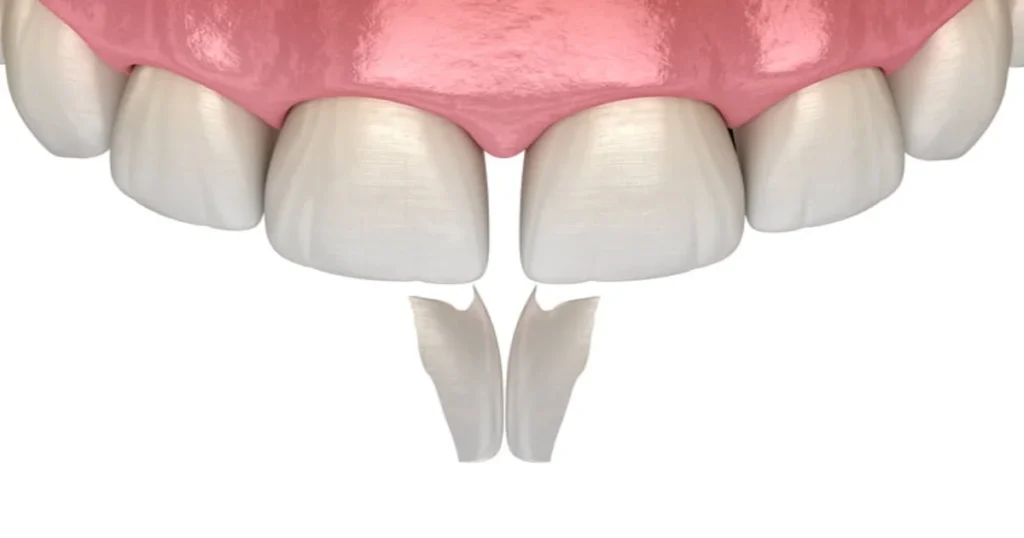
Many patients are bothered by minor cosmetic flaws but want a solution that is simple, affordable, and conservative. Dental bonding is commonly recommended within cosmetic dentistry because it improves smile appearance without removing significant tooth structure or requiring multiple visits. For patients seeking quick results with minimal discomfort, bonding is often an ideal first step.
In this article, you’ll learn how dental bonding works, which smile imperfections it can correct, how it compares to other cosmetic options, and how to care for bonding long-term.
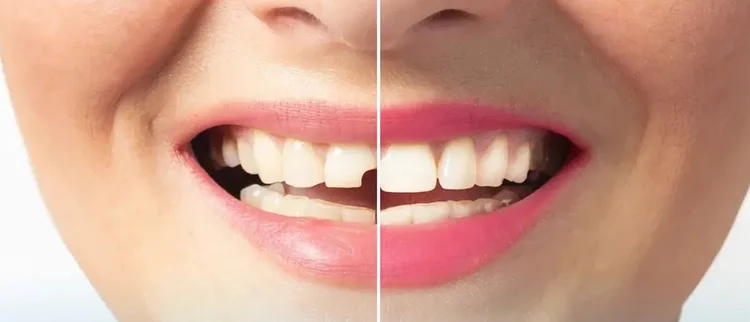
What Is Dental Bonding and How Does It Enhance Your Smile?
Dental bonding is a cosmetic dental procedure that uses tooth-colored composite material to improve the appearance of a tooth. The material is applied directly to the tooth surface, shaped for symmetry, and hardened with a curing light to create a natural-looking result.
Composite Resin
Composite resin is designed to mimic natural tooth enamel in colour and translucency. Once bonded and polished, it blends seamlessly with surrounding teeth. It can restore chipped edges, mask stains, and adjust tooth shape without compromising healthy enamel.
Smile Enhancement
Bonding is ideal for subtle cosmetic improvements. It preserves natural tooth structure, delivers immediate results, and does not require laboratory fabrication. For patients not ready for more extensive treatments like veneers, bonding offers a conservative alternative.
Read more: Braces vs aligners
Smile Imperfections Dental Bonding Can Correct
Dental bonding is best suited for minor cosmetic concerns rather than major structural changes. It is commonly used to correct:
- Chipped teeth caused by minor trauma or wear
- Tooth discoloration that does not respond well to whitening
- Small gaps between teeth that affect smile symmetry
- Uneven or worn edges that make teeth look shorter
- Minor shape irregularities that disrupt overall smile balance
In some cases, bonding may also be used alongside treatments similar to cavities and fillings, where composite material restores both function and appearance.
Dental Bonding vs Other Cosmetic Dentistry Options
Dental bonding differs from other cosmetic treatments in both durability and invasiveness. Compared to veneers, bonding requires little to no enamel removal and can often be reversed or adjusted. Veneers provide more dramatic and longer-lasting results but involve more preparation and multiple visits.
Bonding is usually completed in one visit, while veneers require impressions and lab fabrication. A dental checkup allows your dentist to assess whether bonding or a more advanced cosmetic option is better suited to your goals and bite forces.
Read more: Cosmetic dentistry cost
Benefits and Limitations of Dental Bonding
Dental bonding is a popular cosmetic option because it balances simplicity and effectiveness. However, like any dental treatment, it comes with both advantages and limitations. Reviewing these side by side helps patients decide whether bonding fits their smile goals, lifestyle, and long-term expectations.
| Benefits of Dental Bonding | Limitations of Dental Bonding |
|---|---|
| Minimally invasive and preserves natural tooth enamel | Composite material is not as strong as porcelain |
| Usually completed in a single visit | Can chip or wear down over time, especially in high-bite areas |
| Provides immediate cosmetic improvement | More prone to staining than veneers or crowns |
| More affordable than many cosmetic alternatives | Typically does not last as long as veneers |
| Little to no anesthesia required in most cases | Not ideal for large restorations or major bite correction |
| Can be adjusted or repaired if minor damage occurs | Requires good oral habits to maintain appearance |
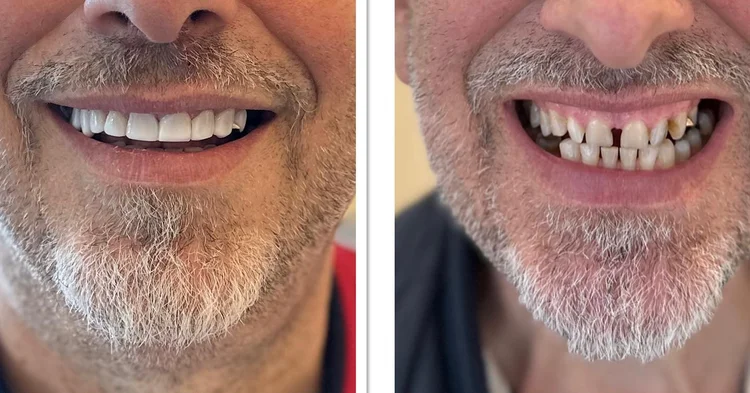
How Long Does Dental Bonding Last and How to Care for It
- Typical lifespan of dental bonding
Most bonding lasts between several years before needing repair or replacement. Normal wear is expected over time, especially on front teeth that experience regular use. - Habits that affect durability
Chewing ice, biting nails, opening packaging with teeth, or grinding can shorten the lifespan of bonding. Avoiding these habits significantly reduces the risk of chipping. - Daily care and professional maintenance
Good oral hygiene and regular dental checkup visits allow your dentist to monitor bonded areas. Small touch-ups can often be done easily if wear is detected early.
Proper care helps maintain both the appearance of the bonding and the health of the surrounding tooth structure.
The Cleveland Clinic has said this about how long you need bonding:
“You can usually get dental bonding done in a single office visit. The bonding material typically lasts between three and 10 years before it needs to be touched up or replaced.”
Ready to Improve Small Smile Flaws?
If you have a small chip, minor gap, or stubborn discoloration and want a quick, conservative cosmetic solution, dental bonding may be the right choice. At Smile Plus Dentistry, we offer personalized cosmetic dentistry consultations to assess your smile goals and recommend the most appropriate option.
Start Your Smile Transformation Today With Dental Bonding
Dental bonding is an effective, minimally invasive solution for patients seeking to enhance minor smile imperfections without undergoing extensive cosmetic treatment. By enhancing shape, colour, and symmetry, bonding delivers fast results while preserving natural tooth structure.
If you’re considering cosmetic improvements, Smile Plus Dentistry can help you decide whether dental bonding or another option is right for you. Book a consultation to explore personalized solutions designed to enhance your smile with comfort and confidence.
FAQ
-
Is dental bonding painful?
No. Dental bonding is typically painless and rarely requires anesthesia.
-
How long does dental bonding last?
With proper care, dental bonding can last several years before needing repair or replacement.
-
Does dental bonding look natural?
Yes. The composite material is colour-matched and polished to blend seamlessly with natural teeth.
Have Questions About Dental Bonding or Smile Enhancement?
Leave a comment below or reach out to our team.
We’re happy to help you explore the best cosmetic option for your smile.
No Comments