
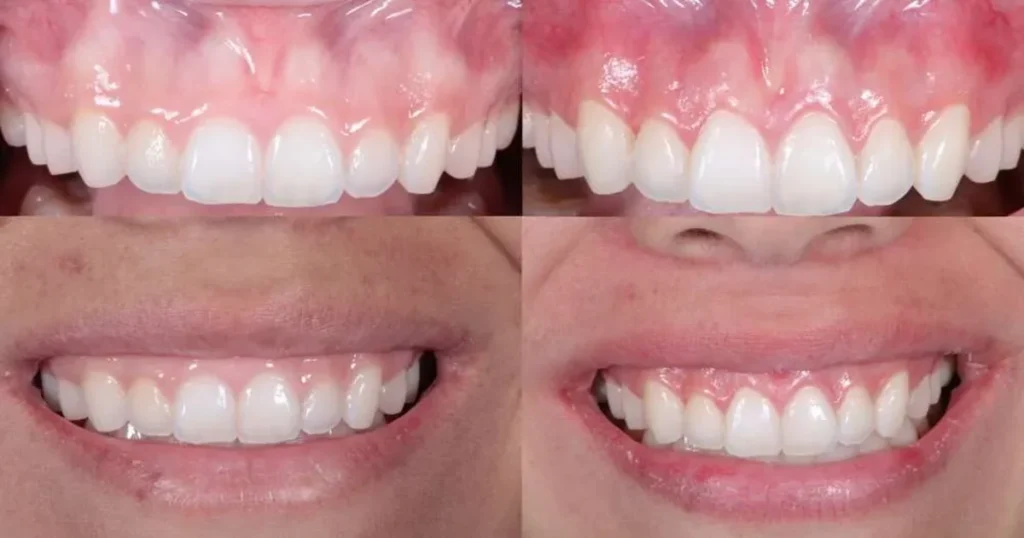
Patients who need crown lengthening often ask how long healing will take and what recovery will feel like. Because the procedure is usually performed to prepare a tooth for a dental crown, proper healing is essential before final restoration. Understanding how long it takes to heal after crown lengthening helps patients plan their care, manage expectations, and avoid complications during recovery.
In this article, we’ll explain what happens during crown lengthening surgery, the typical healing timeline, what to expect day by day, and when it is safe to proceed with placing a permanent crown.
What Happens During Crown lengthening Surgery
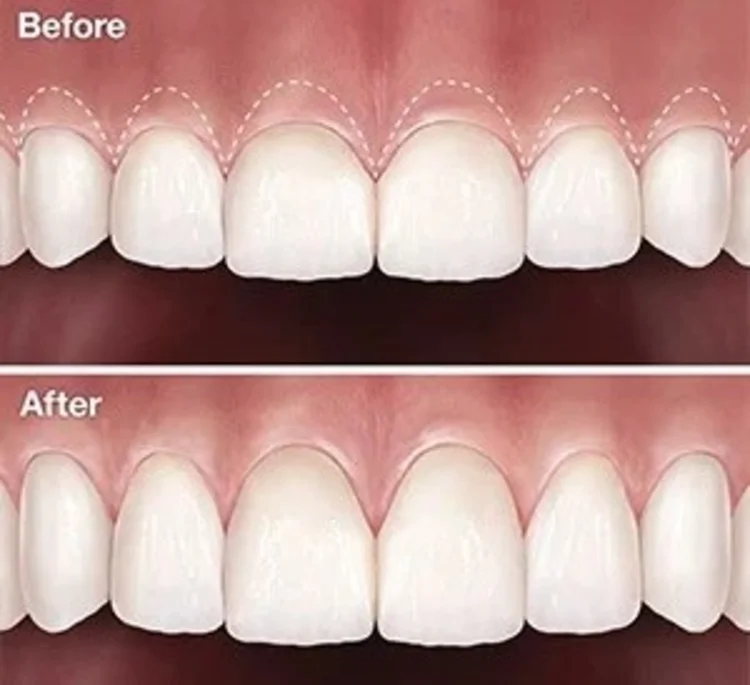
Crown lengthening is a periodontal treatment that exposes more of a tooth’s structure by adjusting the surrounding gum tissue and, in some cases, the underlying bone. It is performed to improve tooth function, allow proper crown placement, or enhance aesthetics.
Why Is Crown Lengthening Performed
Crown lengthening is commonly recommended when a tooth is too short to properly support a dental crown or when decay or fractures extend below the gumline. It may also be used for cosmetic reasons to correct a “gummy” smile, like other cosmetic dentistry services. In all cases, the goal is to create healthy, stable margins that allow long-term success of restorative treatment.
Bone Involvement
Some crown lengthening procedures involve only the gum tissue, while others require reshaping of the bone around the tooth. Bone reshaping adds complexity and slightly extends healing time because both soft tissue and bone must stabilize. Your dentist or periodontist will explain the extent of treatment before surgery.
Effect On Gums And Teeth
After surgery, the gums are repositioned and secured to allow proper healing. The treated area may feel tender or swollen initially. Although the tooth itself is not weakened, the surrounding tissues need time to heal before permanent restorations are placed.
Read more: Crown cost without insurance
Typical Healing Timeline After Crown Lengthening
Healing after crown lengthening happens in stages. Initial healing usually occurs within the first two weeks, during which swelling and discomfort gradually decrease. Soft tissue healing continues over the next several weeks as the gums tighten and adapt to their new position.
Complete healing, especially when the bone was reshaped, can take up to two to three months. In some cases, dentists wait longer before placing a final crown to ensure the gums are fully stable. This timeline helps prevent future gum irritation or uneven margins around the restoration.
“According to principles of wound healing and related studies, tissue maturation and healing take 4 to 6 weeks following a gingivectomy procedure. If a buccal flap was elevated and bone exposed, tissue maturation and stabilization require 8 to 12 weeks. In cases where bone was removed, at least a 6-month period is necessary for soft-tissue stabilization. Additionally, a secondary surgery may be required 6 to 12 weeks later to refine the aesthetic outcome of the smile line”
What to Expect During the Healing Process
During the first few days, mild bleeding, swelling, and sensitivity are normal. Discomfort is usually manageable with prescribed or over-the-counter pain medication. As healing progresses, the gums may appear uneven or slightly recessed before settling into their final shape.
Patients often notice improved comfort after the first week, but the area may still be sensitive to temperature or pressure. Maintaining gentle oral hygiene and following post-operative care instructions are essential to avoid infection or delayed healing.
Read more: Cosmetic dentistry costs
Factors That Can Affect Healing Time
Healing after crown lengthening varies from patient to patient. While most people follow a predictable recovery pattern, several important factors can influence how quickly and comfortably the gums heal.
- Extent of the procedure
Healing is usually faster when the procedure involves only soft tissue. When bone reshaping is required, recovery takes longer because both the gum tissue and underlying bone need time to stabilize. This is one of the biggest factors affecting overall healing time. - Individual healing response
Everyone’s body heals at a different pace. Some patients experience minimal swelling and discomfort, while others may need more time for inflammation to resolve. Genetics, age, and general health all play a role in how quickly tissues recover. - Oral hygiene during recovery
Gentle but consistent oral care supports healthy healing. Plaque buildup around the surgical area can irritate healing tissue and slow recovery, while careful cleaning helps prevent infection and inflammation. - Smoking or tobacco use
Smoking significantly delays gum healing by reducing blood flow to the tissues. Patients who smoke often experience prolonged swelling, slower tissue regeneration, and a higher risk of complications after surgery. - Following post-operative instructions
Adhering to dietary guidelines, medication instructions, and activity restrictions is essential. Ignoring post-operative care recommendations can disrupt the healing site and extend recovery time. - Underlying health conditions
Conditions such as diabetes or immune-related disorders can slow healing and increase the risk of infection. In these cases, closer monitoring during recovery is often needed to ensure proper healing.
Understanding these factors helps patients set realistic expectations and recognize why healing timelines may differ from one person to another.
When Is It Safe to Place a Dental Crown
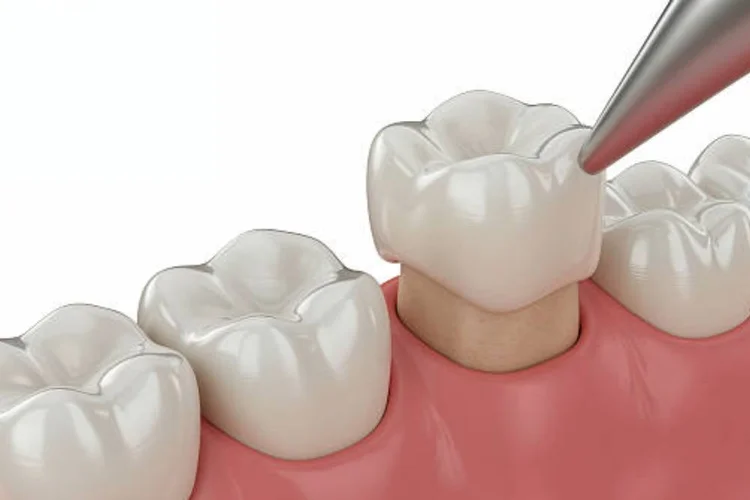
Temporary crowns are often placed soon after surgery to protect the tooth and maintain function. However, permanent crowns are usually delayed until the gums have fully healed and stabilized. This prevents future margin exposure or gum irritation.
Your dentist will monitor healing and determine the ideal timing for final crown placement. Rushing this step can compromise both aesthetics and long-term results, so patience during healing is important.
Planning Your Recovery?
Healing after crown lengthening can feel uncertain, especially when you’re not sure what symptoms are normal or how long recovery should take.
Schedule an evaluation to review your healing progress and get personalized advice on caring for your gums during recovery.
Know What To Expect During Crown Lengthening Healing
Healing after crown lengthening is a gradual process that typically takes several weeks, with full stabilization occurring over a few months. While early discomfort is normal, proper care and realistic expectations help ensure smooth recovery and successful restoration. Understanding the healing timeline allows patients to feel more confident and prepared throughout the process.
If you are planning crown lengthening or are currently recovering, Smile Plus Dentistry can guide you through every stage of treatment. Our team ensures careful monitoring, clear instructions, and thoughtful timing so your final restoration is placed safely and comfortably.
FAQ
-
How long does gum swelling last after crown lengthening?
Swelling usually peaks within the first few days and improves significantly within one to two weeks.
-
Can I eat normally during crown lengthening recovery?
Soft foods are recommended initially. Most patients return to normal eating gradually as tenderness subsides.
-
When should I contact my dentist during healing?
Contact your dentist if you experience increasing pain, excessive bleeding, signs of infection, or if healing does not improve after the first week.
Leave a comment below if you still have questions.
We’re happy to explain what’s normal during healing and help you feel confident about your recovery.
No Comments