
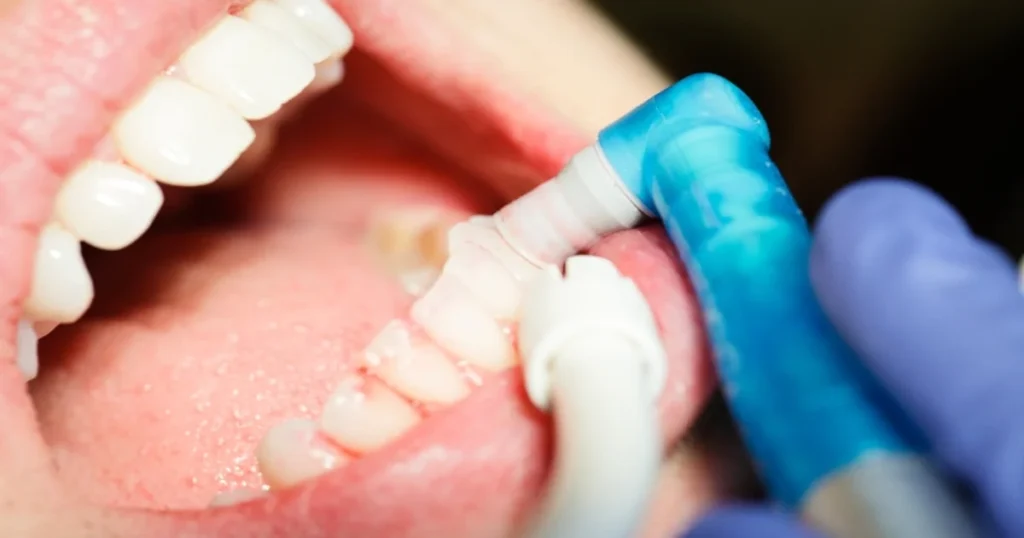
Many people feel frustrated when bad breath persists despite brushing and flossing every day. The reason is simple: daily home care cannot fully remove hardened plaque, deep gum bacteria, or odor-causing buildup below the gumline. This is where the importance of dental checkups and teeth cleanings in preventing bad breath becomes especially clear. Professional cleanings eliminate the underlying causes of halitosis that routine brushing cannot reach.
In this article, you will learn why bad breath often lingers, how professional cleanings address the root causes, the connection between gum health and chronic odor, how often cleanings are needed, and when bad breath signals a more serious dental concern.
Why Bad Breath Often Persists Despite Brushing and Flossing
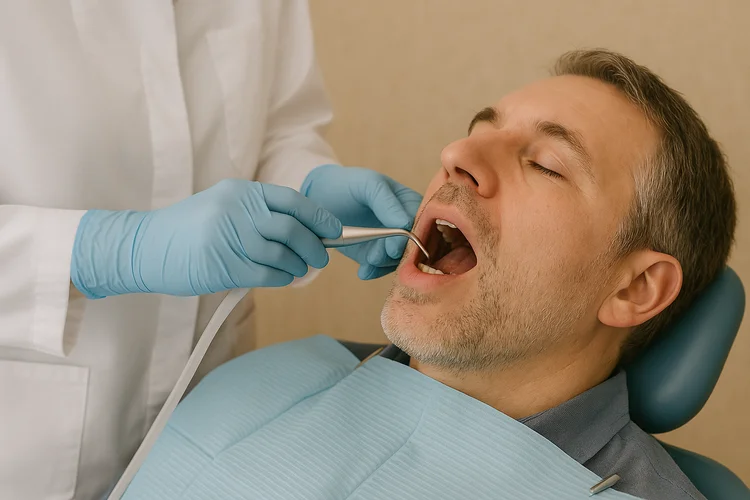
Brushing and flossing are essential habits, but they primarily clean visible tooth surfaces. Odor-causing bacteria thrive in hard-to-reach areas that require professional tools. When plaque hardens into tartar, it creates a rough surface that traps bacteria and food debris, allowing odor to persist even with good home care.
Additionally, bacteria can accumulate along the gumline and inside periodontal pockets where floss cannot reach. Tongue coating is another overlooked contributor, as bacteria on the tongue release sulfur compounds that cause unpleasant breath. Without professional intervention, these sources remain untreated and continue to produce odor, especially if there haven’t been general dentistry appointments.
Read more: Say Goodbye to Halitosis
How Professional Dental Cleanings Remove the Source of Bad Breath
These are the most well-known and proven ways to remove bad breath and bring back dental hygiene with the help of dental cleanings:
Removal of Plaque
A professional cleaning performed by a dental hygienist removes plaque and tartar from areas that brushing cannot reach. Tartar cannot be removed at home and serves as a long-term reservoir for odor-causing bacteria. Special services target these deposits and restore smooth tooth surfaces that are easier to keep clean.
Cleaning Below the Gumline
Dental cleanings remove bacteria from beneath the gumline where gingivitis and early periodontal pockets develop. These areas are a major source of chronic bad breath. During a dental checkup, your provider evaluates these regions to ensure that no infection is developing.
Reducing Oral Bacteria Levels
Professional cleanings significantly reduce the population of harmful oral bacteria responsible for sulfur odors. By disrupting bacterial colonies, cleanings help rebalance the oral environment and improve overall breath quality.
Addressing Tongue and Soft Tissue Buildup
Dental professionals also assess tongue coating and soft tissue health. In some cases, targeted cleaning and hygiene guidance help reduce bacteria accumulation that contributes to persistent halitosis.

The Link Between Gum Health and Chronic Halitosis
Gum disease is one of the most common causes of long-lasting bad breath. When gums become inflamed, periodontal pockets form, trapping bacteria deep below the surface. These bacteria release foul-smelling compounds that brushing alone cannot eliminate.
Conditions related to periodontal disease often progress silently, with bad breath being one of the earliest warning signs. Professional cleanings remove bacterial buildup, reduce inflammation, and prevent progression to more advanced gum infection. This is why treating gum health is essential for controlling chronic halitosis rather than masking it.
Read more: Bad Breath Causes
How Often Cleanings Are Needed to Control Bad Breath
For most patients, professional cleanings every six months are sufficient to maintain fresh breath and healthy gums. However, individuals prone to tartar buildup, gum inflammation, or recurring bad breath may benefit from more frequent visits.
Patients with early gum disease, dry mouth, or a history of halitosis may require cleanings every three to four months. Your dentist will determine the ideal schedule based on plaque accumulation, gum condition, and odor recurrence. Consistent preventive care is far more effective than treating bad breath only when it becomes noticeable.
The Mayo Clinic says:
“Certain foods, health conditions, and habits are among the causes of bad breath. In many cases, you can make bad breath better by keeping your mouth and teeth clean. If you can’t solve bad breath yourself, see your dentist or another healthcare professional to be sure a more serious condition isn’t causing it.”
When Bad Breath Signals a Need for More Than a Routine Cleaning
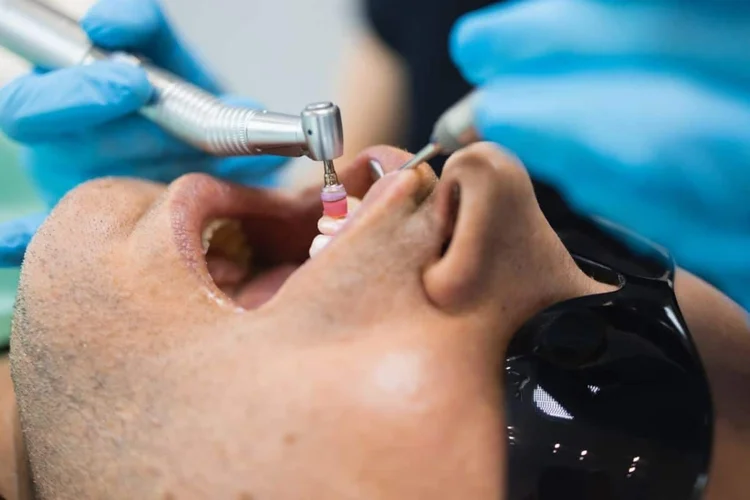
In some cases, bad breath persists even after a regular dental cleaning. This usually indicates an underlying oral health issue that requires further evaluation or treatment. Common warning signs include:
- Persistent odor that returns quickly after cleaning
If bad breath improves briefly after a cleaning but returns within days or weeks, it may indicate bacteria trapped deep below the gumline or inside periodontal pockets that routine cleaning cannot fully address. - Untreated tooth decay or hidden infections
Cavities, cracked teeth, or dental abscesses can trap bacteria and produce strong odors. These issues may not be obvious without a thorough examination and diagnostic imaging. - Dry mouth or changes in saliva flow
Saliva plays a key role in washing away bacteria. Reduced saliva due to medications or health conditions can worsen halitosis and may require targeted treatment beyond cleaning. - History of recurring halitosis despite good oral hygiene
Patients who brush, floss, and attend regular cleanings but still experience bad breath often need a more thorough assessment to identify contributing factors, such as periodontal disease or a bacterial imbalance.
When these signs are present, your dentist may recommend additional periodontal therapy, diagnostic testing, or a tailored treatment plan to fully resolve the underlying cause of bad breath.
Still Struggling With Bad Breath?
If bad breath continues even after routine brushing and cleanings, it may be a sign of an underlying dental issue that needs professional attention. At Smile Plus Dentistry, our team goes beyond surface-level care to identify the true cause of persistent halitosis.
Book your appointment today and get clear answers along with effective treatment options.
Keep Your Mouth Fresh as Dental Cleanings Prevent Bad Breath
Professional dental cleanings play a critical role in preventing bad breath by removing plaque, tartar, and bacteria that brushing and flossing cannot reach. By improving gum health, reducing oral bacteria, and addressing hidden odor sources, cleanings provide long-term relief rather than temporary masking. For many patients, consistent preventive care is the key to maintaining fresh breath and overall oral health.
If you struggle with persistent bad breath, Smile Plus Dentistry can help identify the cause and recommend the right care. Our team provides personalized treatment plans to restore confidence and oral comfort. Book your appointment today and take the first step toward lasting fresh breath.
FAQ
-
Can a dental cleaning permanently fix bad breath?
A dental cleaning can eliminate the most common causes of bad breath, but long-term results depend on ongoing oral hygiene and regular maintenance visits.
-
How long after a cleaning does breath improve?
Most patients notice improvement immediately or within a few days as bacterial levels decrease and gum inflammation resolves.
-
Does deep cleaning help more than a regular cleaning for bad breath?
Yes. When bad breath is caused by periodontal pockets or gum disease, deep cleaning is often more effective than routine cleaning.
Have a Question About Bad Breath or Dental Cleanings?
Leave a comment below or reach out to our team.
We’re happy to help you understand what’s causing your bad breath and how to treat it effectively.
No Comments