

After cavities & fillings, some patients notice sensitivity to cold, pressure, or sweetness and wonder if it is normal or a warning sign. In most cases, mild sensitivity is a temporary nerve response as the tooth settles after treatment. The key is knowing what patterns are expected and which symptoms suggest the filling or the tooth needs a closer look.
Below, I’ll explain why sensitivity can occur after a white filling, how long it typically lasts, and the signs that mean you should contact your dental office.
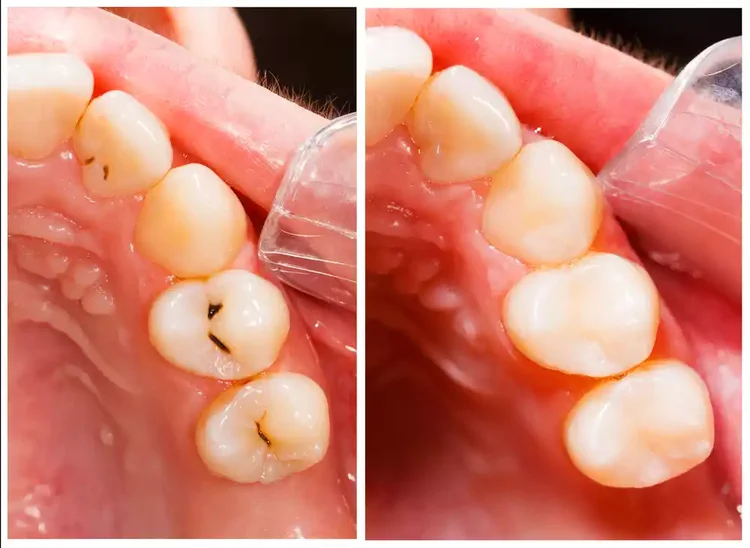
Why Sensitivity Can Occur After a White Filling
White fillings are composite restorations that bond to the tooth. That bonding process, plus the fact that a cavity was treated, can temporarily irritate the tooth. Sensitivity does not automatically mean the filling failed. It usually reflects how the tooth and nerve are responding to the restoration.
Tooth Nerve Response
The dental pulp is living tissue. When decay is removed and a filling is placed, the tooth experiences a controlled “insult,” even when the procedure is done perfectly. If the cavity is deep or near the nerve, the pulp can become temporarily inflamed, which may present as sensitivity to cold, biting pressure, or air.
Polymerization
Composite material hardens through a curing process. As it sets, it undergoes slight shrinkage. This can create temporary stress at the bonded interface, especially in deeper restorations. That stress can contribute to short-term sensitivity, usually improving as the tooth adapts.
Bite Pressure
Even a small high spot on the filling can cause pain when biting. When the bite hits the new filling first, it places extra pressure on the tooth and the ligament around it. This often feels like a sharp twinge when chewing rather than a lingering ache.
What Level of Sensitivity Is Considered Normal
Normal post-filling sensitivity is usually mild, improves steadily, and is triggered by specific stimuli, such as cold water or chewing. It should not keep getting worse day by day. You may notice brief sensitivity to cold that fades within seconds, or a mild tenderness when chewing on that side for a short period.
It is also common for the tooth to feel slightly “different” for a few days. If the discomfort is manageable and trending in the right direction, it is usually part of the healing process.
And that’s the reason the type of filling is important, Colgate says:
“The type of filling your dentist used can also cause sensitivity or discomfort in the tooth. For example, sensitivity is fairly common when a composite resin material is used in the filling and may result from the filling shrinking slightly and creating a gap beneath it.”
Read more: CDCP eligibility
How Long Should Sensitivity After a White Filling Last?
Most mild sensitivity improves within a few days and continues to settle over one to two weeks. If the cavity is deeper, sensitivity may last longer, sometimes up to three or four weeks, as the pulp calms down.
The more important factor than the exact timeline is the pattern. If sensitivity is slowly improving, that is reassuring. If it remains the same or worsens, it warrants evaluation, ideally at a dental checkup.
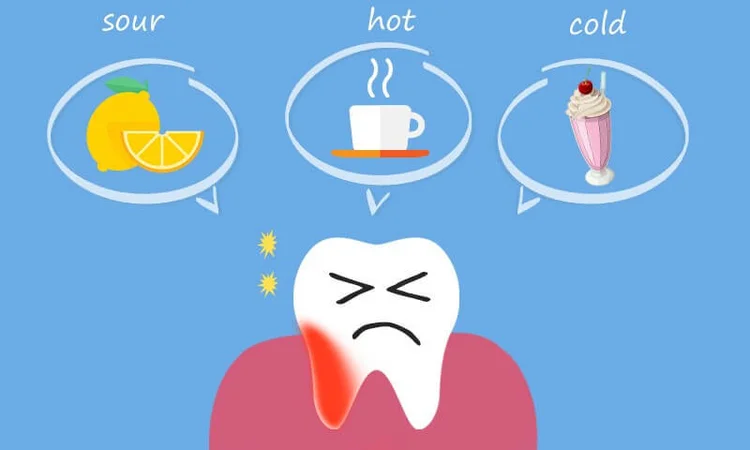
Signs That Sensitivity May Indicate a Problem
Sensitivity is more concerning when it is severe, persistent, or linked to specific red flags. Contact your dentist if you notice any of the following:
- Pain that lingers for more than 30 seconds after cold or heat
- Spontaneous aching that happens without eating or drinking
- Sharp pain when biting that does not improve after a bite adjustment
- Throbbing pain that wakes you at night
- Swelling, a bad taste, or a pimple-like bump on the gum
- Sensitivity that is worsening after the first few days instead of improving
These symptoms can indicate bite trauma, a gap at the margin, nerve inflammation, or in some cases a deeper pulp problem that may require root canals. If swelling or severe pain develops, treat it as an emergency and contact the dental emergency services.
Read more: Root canal treatment importance
How Dentists Manage Post-Filling Sensitivity
Treatment depends on the cause. If the bite is high, a quick adjustment often resolves biting pain. If the tooth is sensitive due to pulp irritation, your dentist may recommend a desensitizing toothpaste, monitoring, and briefly avoiding chewing hard foods on that side.
If sensitivity persists or is severe, your dentist may take X-rays and test the tooth to determine whether the nerve is healing normally or whether deeper treatment is needed. The goal is always to preserve the tooth while eliminating the source of discomfort.
Need Reassurance About Your Filling?
Sensitivity after treatment can be unsettling, especially when you do not know what is normal. A quick evaluation can confirm whether your tooth is healing as expected and help prevent small issues from becoming bigger problems.
Book an appointment for personalized guidance and peace of mind.
Support Proper Healing After A White Filling
Yes, there can be sensitivity after a white filling, and in most cases, it is normal and temporary. It typically reflects short-term nerve irritation, the bonding process, or minor bite pressure that can be corrected easily. The main things to watch are intensity, duration, and whether symptoms are improving.
If your sensitivity feels sharp, is getting worse, or is affecting eating and sleep, it is worth having it checked. Smile Plus Dentistry can assess the filling, your bite, and the tooth’s health to ensure healing is on track.
FAQ
-
Is it normal to feel pain when biting after a white filling?
It can be normal for a brief time, but biting pain often suggests the bite is slightly high. A simple bite adjustment usually resolves it quickly.
-
How long does sensitivity last after a composite filling?
Many patients improve within a few days to two weeks. Deeper fillings can take longer, but symptoms should steadily improve.
-
When should I contact my dentist about filling discomfort?
Contact your dentist if the pain worsens, lingers after hot or cold, wakes you at night, or if you notice swelling or a bad taste.
Drop a comment with what you are feeling, such as cold sensitivity, biting pain, or throbbing, and we will point you in the right direction.
No Comments