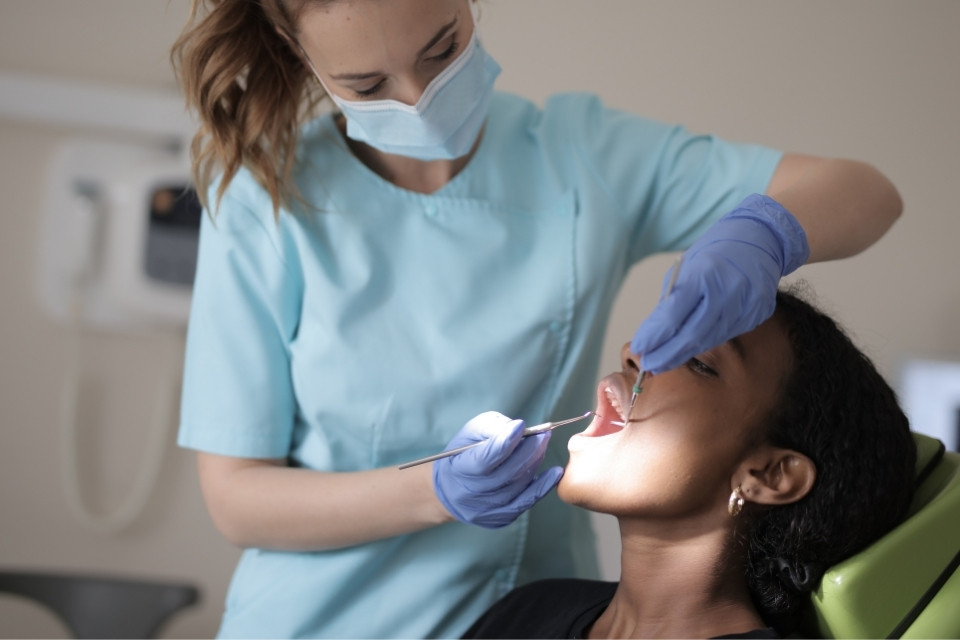
Oral cancer screening is a quick, painless part of your routine dental visit at Smile Plus in Surrey. During your checkup, we examine your lips, tongue, cheeks, gums, and throat for any early signs that need a closer look. Because oral cancer is far easier to treat when caught early, regular screening is one of the simplest ways to protect your long-term health. Call us at (604) 210-6757 to book your appointment.
Same-day appointments · Direct insurance billing · CDCP accepted
What is Oral Cancer?
Oral Cancers that arise in any area of the mouth, such as the tonsils, floor, roof, tongue, lips, gums, or throat, are referred to as oral cancers. This particular kind of cancer in the head and neck region has the potential to be fatal if left untreated. Changes in the DNA of squamous cells, which line the mouth and throat, are the primary cause of most oral malignancies, which develop into tumors uncontrollably.
Early Detection of Oral Cancer
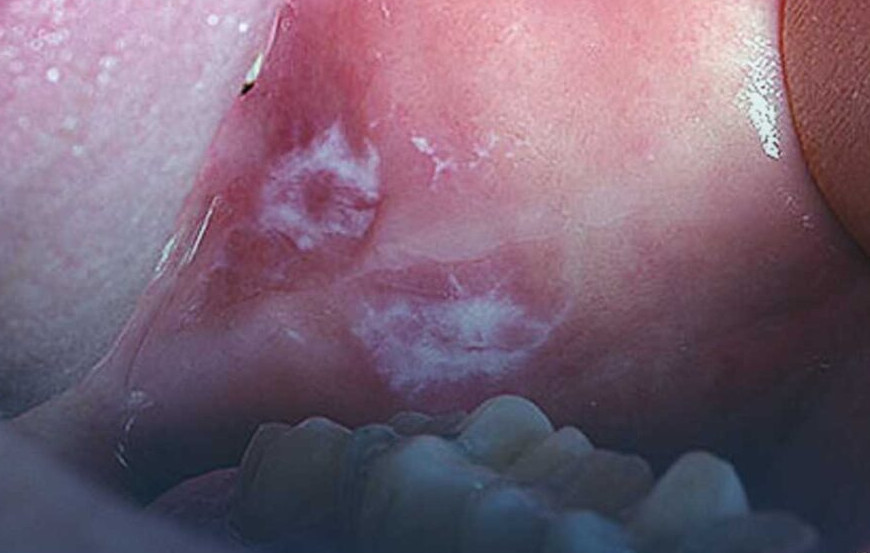
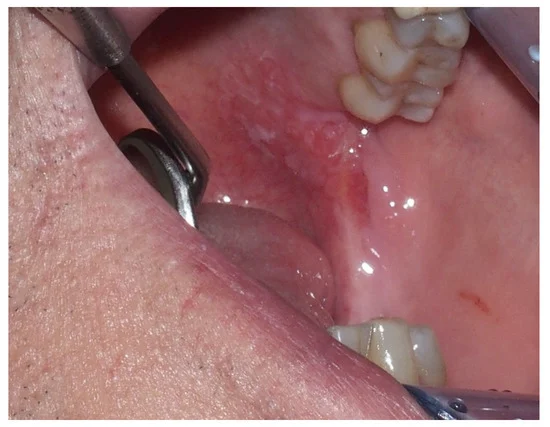
At first, sores may develop on your lips or inside your mouth and remain on your lips for a long time. In this case, the wounds should be thoroughly examined and treated immediately if a cancerous wound is detected. Sometimes small and large lumps and glands grow in parts of the mouth, which can be a sign of oral cancer. Due to the growth of these masses in the mouth and gums, artificial teeth cannot be placed correctly on the gums. Therefore, it can be said that improper placement of artificial teeth is another symptom of oral cancer. Loose teeth for no reason are another symptom of this disease. Bleeding of the mouth and gums is one of the primary symptoms of oral cancer, which must be checked along with other symptoms.
People with oral cancer are likely to feel pain when chewing or swallowing food. Frequent earaches and pain in the tongue, throat, jaw, etc. are among the uncomfortable symptoms among oral cancer patients. The development and growth of cancerous glands inside the neck and throat, as well as numbness of the jaw, lips, and neck muscles, can also be symptoms of this disease. In some cases, the affected person may have white or red spots around the mouth and on the lips. Of course, most of these symptoms are related to other diseases as well. For this reason, if you encounter any of these symptoms, be sure to visit an emergency dental in Surrey.
Oral Cancer Signs and Symptoms
Several head and neck regions may be affected by oral malignancies. Similarly, cancer can affect the lips directly or in portions of the lip region. The tongue is another organ where malignant glands may be present. Ulcers can also be caused by cancer in the inner regions of the cheek. Gums and the bottom of the mouth are two other areas where cancer is prone to strike. People’s palates can potentially become infected with oral cancer. When signs of oral cancer appear, your dentist is frequently the first to recognize them. An annual dental examination can tell your dentist about the condition of your oral health. The Smile Plus dentistry is open for yearly examinations.
Though there are many different signs of oral cancer, they frequently include non-healing mouth sores that don’t go away, thickening or lumpy patches inside the mouth or throat, white, red, or speckled patches there, unexplained bleeding, pain or numbness, chronic sore throat, trouble swallowing or chewing, hoarseness, ear pain, swelling or stiffness in the jaw, and trouble fitting dentures.
Our clinic emphasizes that early diagnosis is essential for optimal treatment outcomes, and we do this by including thorough screenings in regular dental cleaning and check-ups. Through the use of cutting-edge diagnostic instruments and methodologies, we guarantee the early detection of any indications of oral cancer, facilitating fast intervention and treatment.
Risk Factors For Oral Cancer
Oral cancer is associated with several risk factors, such as smoking, binge drinking, human papillomavirus (HPV) infection (which we will discuss later), excessive sun exposure, poor nutrition, compromised immune system, and genetic susceptibility. The condition tends to strike later in life and is more frequent in men, while younger people are increasingly being affected by HPV-related oral malignancies.
Oral Cancer Treatment
The stage at which tumors are found has a direct impact on how cancer disorders are treated. Treatment for mouth cancer will be simpler and go more quickly if the malignant glands are tiny and found early. However,
radiation therapy is often given over several weeks, and in more advanced cases chemotherapy may be added. Your specialist team will explain the plan that fits your diagnosis. In cases when the illness has progressed and surpassed the usual limit, chemotherapy must be administered in addition to radiation therapy. In certain instances, surgery may even be required to remove the malignant glands. Depending on the findings, your dentist may refer you for one or more of the following tests:
X-ray test to see if cancer cells have spread to the jaw, chest, or lungs.
CT scan to see any tumors in the mouth, throat, neck, lungs, or anywhere else in the body.
PET scan to determine if the cancer has spread to lymph nodes or other organs.
MRI scan to show a more detailed picture of the head and neck and determine the extent or stage of the cancer.
Endoscopy to examine the nasal passages, sinuses, inner throat, and trachea.