
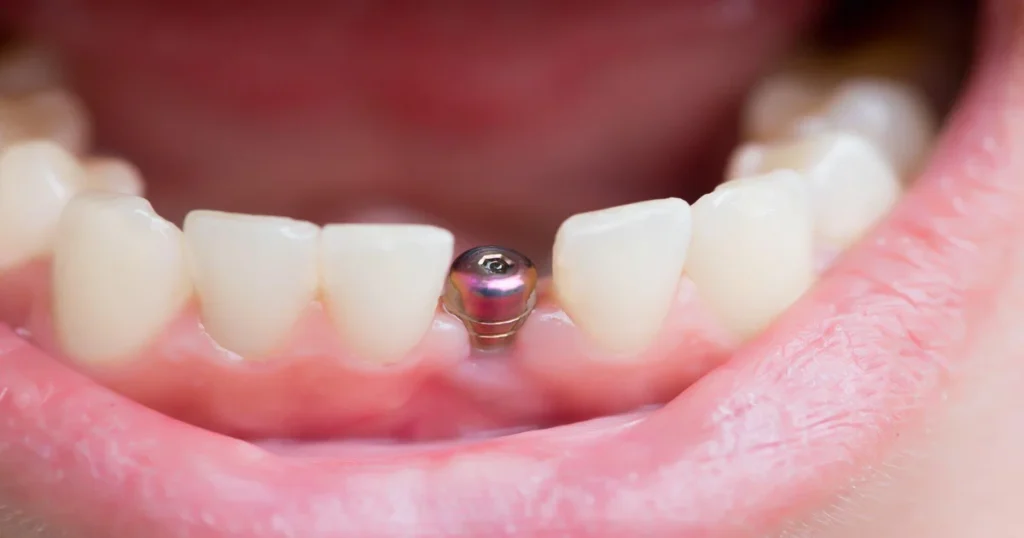
Many patients considering dental implants often ask about their longevity. It’s a significant investment in your oral health and appearance, so understanding how long dental implants last is a natural and important question. The good news is that dental implants are designed for durability, often lasting for many years, even decades. However, their lifespan isn’t a fixed number; it depends on several factors.
Let’s explore what contributes to the long-term success of dental implants and what you can expect.
What Are Dental Implants Made Of?
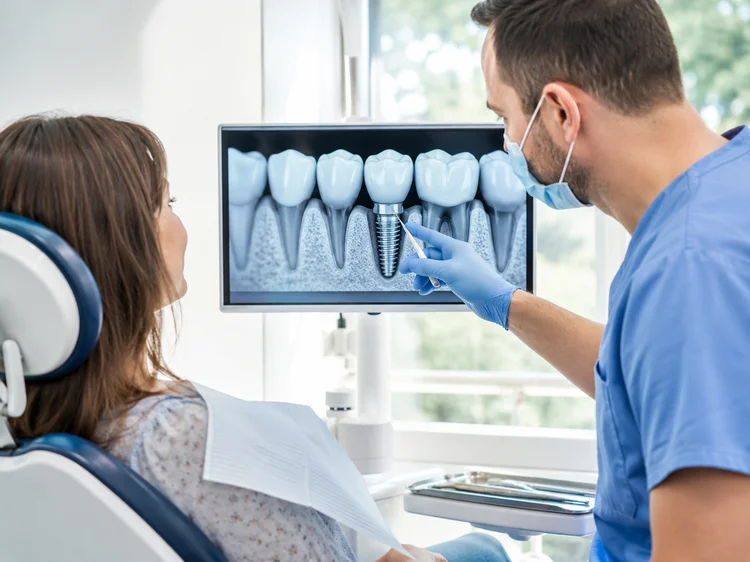
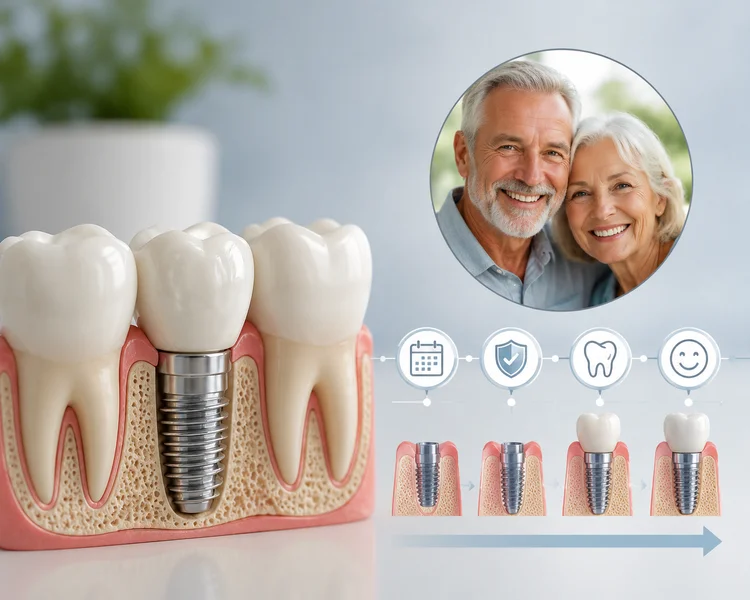
Before discussing their lifespan, it helps to understand what a dental implant entails. A dental implant is essentially a replacement for a tooth root. It consists of three main parts:
- The Implant Post: This is a small, screw-shaped cylinder, typically made of titanium. It’s surgically placed into your jawbone, where it fuses with the bone over several months in a process called osseointegration. This post is the foundation of the implant and is the part that offers the most significant longevity.
- The Abutment: This is a small connector piece that screws into the implant post. It extends above the gum line and serves as the attachment point for the visible crown.
- The Crown: This is the custom-made, tooth-coloured cap that sits on top of the abutment. It’s the part that looks and functions like your natural tooth. Crowns can be made from various materials, including porcelain or ceramic.
Read more: Dental Implant Process
The Average Lifespan of Dental Implants
When we talk about how long dental implants last, we often refer to two different aspects: the implant post itself and the crown that sits on top. The implant post, once successfully integrated into the jawbone, has an excellent track record for durability.
With proper care, the titanium implant post can last a lifetime for many patients. Studies show a very high success rate for implant posts, often exceeding 95% over 10 years and remaining strong for 20 years or more.
The Healthline website also confirms this, as it follows:
“Generally speaking, a dental implant is designed to be a permanent fixture in your mouth. In fact, studies have reported a 90 to 95 percent success rate of dental implants over a period of 10 years.”
The dental crown, however, may need replacement sooner than the implant post. Crowns are subject to the same wear and tear as natural teeth. On average, a dental implant crown can last between 10 and 15 years, though some can last 20 years or longer with excellent care. Factors like chewing forces, grinding habits, and the material of the crown affect its durability.
Factors Affecting Dental Implant Longevity
The lifespan of dental implants isn’t solely dependent on the materials used. Several individual and external factors play a significant role in how long your implants will last.
Oral Hygiene and Maintenance
This is perhaps the most crucial factor. Just like natural teeth, dental implants require diligent daily cleaning. Brushing twice a day and flossing daily helps prevent plaque buildup around the implant, which can lead to gum inflammation and, eventually, more serious issues.
Regular dental check-ups and professional cleanings are also essential. These appointments allow us to monitor the health of your implants and surrounding tissues, catch any potential problems early, and ensure your cleaning routine is effective.
Lifestyle Choices
Certain habits can negatively impact implant durability:
- Smoking: Smoking significantly increases the risk of implant failure and complications like peri-implantitis, an inflammatory condition around the implant. It impairs healing and reduces blood flow to the gums and bone.
- Bruxism (Teeth Grinding): Chronic clenching or grinding can place excessive force on the implant and crown, leading to wear, chipping, or even loosening of components. We often recommend a night guard to protect implants if you grind your teeth.
- Diet: While implants are strong, chewing on extremely hard foods (like ice, hard candies, or non-food items) can damage the crown or, in rare cases, stress the implant post.
General Health Conditions
Your overall health plays a role in how well your body integrates and maintains dental implants. Conditions that affect bone health or the immune system can impact longevity:
- Diabetes: Poorly controlled diabetes can impair healing and increase the risk of infection, potentially affecting osseointegration and long-term stability.
- Osteoporosis: While not a direct contraindication, severe osteoporosis, especially when treated with certain medications, might influence bone density and healing around implants.
- Autoimmune Diseases: Certain autoimmune conditions can affect the body’s ability to heal and maintain healthy tissues around the implant.
Bone Density and Quality
Successful osseointegration requires adequate bone volume and density in the jaw. If there isn’t enough healthy bone, the implant may not integrate properly or might be at a higher risk of failure over time. Bone grafting procedures can often address insufficient bone density, creating a stronger foundation for the implant.
Quality of Implant and Surgical Expertise
The quality of the dental implant materials and the skill of the dentist placing the implant are critical. High-quality implants from reputable manufacturers have a proven track record. The precision of the surgical placement ensures optimal positioning for long-term stability and proper bite function.
Read more: Dental Implant Cost
Maximizing the Lifespan of Your Dental Implants
As you can see, extending the lifespan of your dental implants is largely within your control. Here are key steps you can take:
- Maintain Excellent Oral Hygiene: Brush your teeth and implants at least twice a day with a soft-bristle brush. Floss daily, paying special attention to the areas around your implants. Interdental brushes or water flossers can be very effective for cleaning hard-to-reach areas.
- Attend Regular Dental Appointments: Visit your dentist in Surrey for routine check-ups and professional teeth cleanings. These appointments are crucial for monitoring your implant health and addressing any concerns early. This is part of good general dentistry care.
- Protect Against Bruxism: If you clench or grind your teeth, especially at night, discuss this with us. We can fit you with a custom night guard to protect your implants and natural teeth from excessive forces.
- Avoid Damaging Habits: Refrain from chewing on ice, pens, or other hard objects. If you smoke, consider quitting to significantly improve your implant’s prognosis and overall health.
- Address Health Issues: Keep any systemic health conditions, like diabetes, well-managed. Inform your dentist about any changes in your health or medications you are taking.
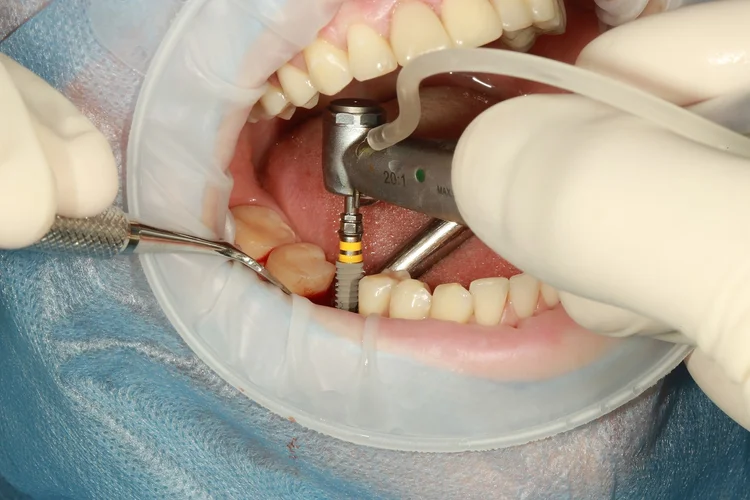
Understanding Potential Issues and When Replacement Might Be Needed
While dental implants are highly successful, issues can occasionally arise. It’s important to differentiate between problems with the implant post and problems with the crown or abutment.
Crown Damage
Just like natural teeth, implant crowns can chip, crack, or wear down over time. If this happens, the crown can usually be replaced without affecting the underlying implant post. This is a common part of cosmetic dentistry maintenance.
Abutment Issues
The abutment can sometimes loosen or become damaged. In many cases, this component can also be repaired or replaced without disturbing the implant post.
Peri-implantitis
This is an inflammatory condition that affects the gum and bone tissue around a dental implant. It’s similar to periodontal disease and is usually caused by bacterial infection. If left untreated, peri-implantitis can lead to bone loss around the implant and, in severe cases, implant failure. Early detection and treatment are vital.
Implant Failure
Though rare, an implant post can fail to integrate with the bone or may lose integration over time. This might be due to infection, insufficient bone, excessive force, or certain health conditions. If an implant fails, it may need to be removed, and the area allowed to heal before considering a new implant or alternative treatment.
The key is proactive care and prompt attention to any changes or discomfort. If you notice any signs of trouble, such as pain, swelling, or a loose feeling around your implant, contact your dentist right away.
Still Unsure About Dental Implants?
If you are considering dental implants and want to know whether they are the right choice for you, schedule a consultation with an experienced dental team. A personalized evaluation and expert guidance can help you achieve a solution that restores both your smile and your confidence.
Your Lasting Investment in Oral Health
Dental implants offer a durable, reliable, and aesthetically pleasing solution for missing teeth. While the implant post itself is designed to be a permanent fixture, the crown will require maintenance and potential replacement over time. By committing to excellent oral hygiene, regular dental check-ups, and a healthy lifestyle, you can significantly extend the lifespan of your dental implants.
Understanding these aspects helps you make an informed choice for your oral health. If you’re in Surrey and considering dental implants, or if you have questions about caring for existing ones, Smile Plus is here to provide clear, personalized guidance.
FAQ
-
How long do dental implants typically last?
The titanium implant post itself can last a lifetime with proper care, thanks to its integration with the jawbone. The visible crown, which experiences normal wear and tear, typically lasts between 10 to 15 years, though it can last longer.
-
Do dental implants last forever?
While the implant post can last indefinitely, “forever” is a strong word in dentistry. The crown will likely need replacement at some point due to normal wear. With excellent oral hygiene and regular dental visits, your implant posts can certainly offer a very long-term solution.
-
What are the signs that a dental implant might be failing?
Signs of potential implant issues include persistent pain or discomfort around the implant, swelling or redness of the gums, difficulty chewing, a loose feeling in the implant or crown, or visible bone loss around the implant on X-rays. Report any of these symptoms to your dentist immediately.
-
Can a dental implant be replaced if it fails?
Yes, if an implant fails, it can often be replaced. The old implant is removed, the site is allowed to heal, and sometimes bone grafting is performed to prepare the area for a new implant. The specific approach depends on the reason for the failure and the condition of the surrounding bone.
-
Is the lifespan of dental implants different for everyone?
Absolutely. Individual factors like oral hygiene habits, general health, lifestyle choices (such as smoking), and even the forces of your bite all influence how long your dental implants will last. Following your dentist’s recommendations is key to maximizing durability.
No Comments