
Many of us lead busy lives, and sometimes, a routine appointment like a teeth cleaning can seem easy to postpone. Perhaps you feel your teeth are healthy, you brush and floss regularly, or you simply forget. However, skipping teeth cleaning for a year can have a much greater impact on your oral health than you might realize.
A professional dental cleaning is not just about making your teeth feel fresh and look shiny. It is a critical preventative measure that addresses issues your home care simply cannot. Ignoring this annual appointment can set the stage for a range of problems, some of which are not immediately visible but can lead to significant discomfort and expense down the road.
Why Regular Cleanings Matter
You might diligently brush twice a day and floss every evening. These habits are excellent and form the foundation of good oral hygiene. However, even the most meticulous home care cannot reach every nook and cranny or remove hardened deposits that accumulate over time. This is where your professional dental cleaning comes in.
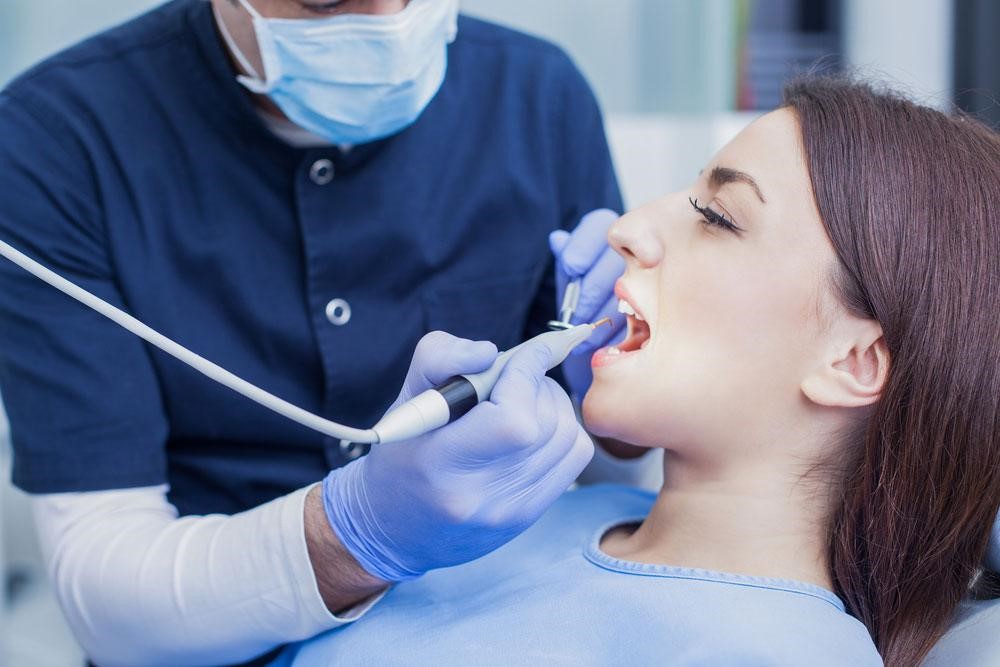
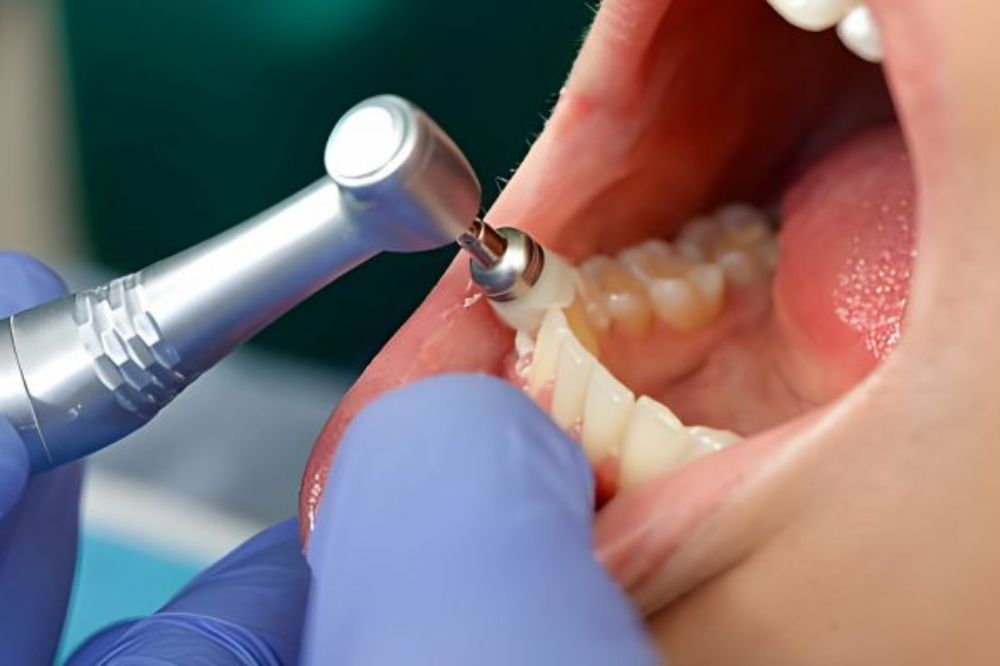
During a dental check-up, a hygienist uses specialized tools to remove plaque and tartar from above and below the gum line. They polish your teeth, making it harder for new plaque to stick. A dentist also performs a thorough examination, looking for early signs of cavities, gum disease, or other oral health issues that you might not notice yourself. This preventative approach is key to maintaining your long-term oral health.
The healthline confirms this and also adds:
“Plaque can do more than cause cavities in the teeth — they can also weaken the gums and lead to gingivitis, a form of gum disease. The bacteria present in plaque inflame and irritate the gums. The gums become puffy and more likely to bleed.”
What Develops in 12 Months
Missing just one year of professional cleaning allows plaque and tartar to accumulate unchecked. The changes begin subtly but progress steadily.
Plaque and Tartar Buildup Accelerates
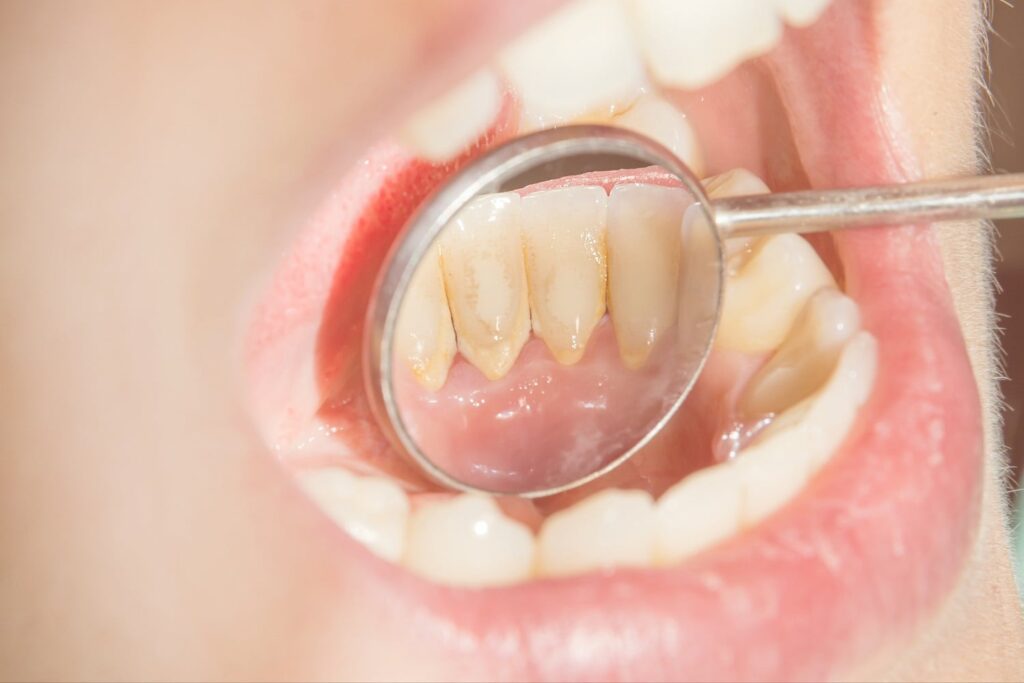
Plaque is a sticky film of bacteria that constantly forms on your teeth. If not removed daily through brushing and flossing, it can harden into tartar (also known as calculus) within 24-72 hours. Once plaque becomes tartar, it is impossible to remove with a toothbrush or floss. It creates a rough surface where more plaque can cling, exacerbating the problem. A year without a cleaning means a significant amount of hardened tartar will be present, especially in hard-to-reach areas.
Early Signs of Gum Disease
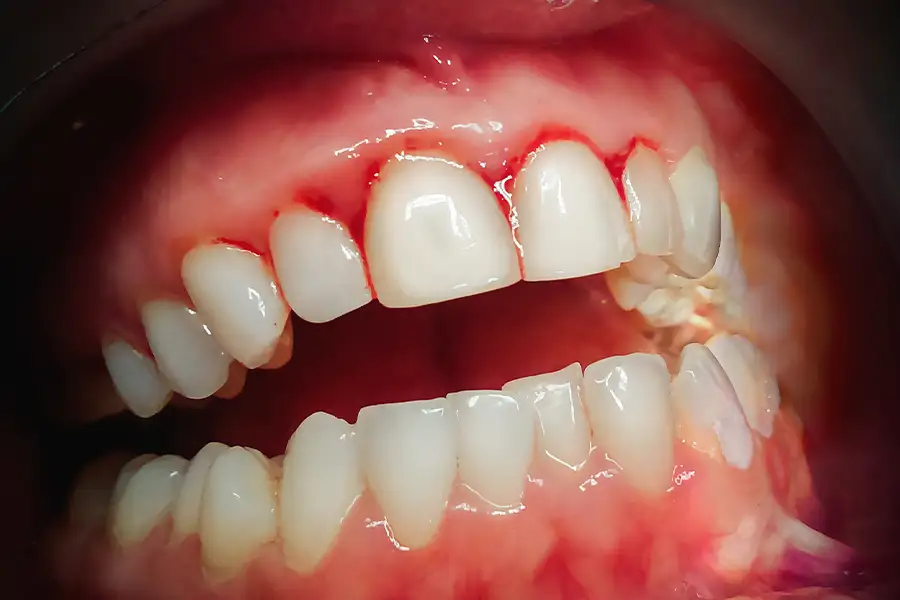
The bacteria in plaque and tartar irritate your gums. This irritation often leads to gingivitis, the earliest stage of gum disease. Symptoms include red, swollen, or tender gums that bleed easily when you brush or floss. Gingivitis is reversible with professional cleaning and improved home care, but if left untreated for a year or more, it can progress.
Increased Risk of Cavities
The bacteria in plaque produce acids that erode tooth enamel. With increased plaque and tartar buildup due to a skipped cleaning, your teeth are exposed to these destructive acids for longer periods. This significantly raises your risk of developing new cavities or worsening existing, small areas of decay. A small cavity can quickly become a larger problem requiring more extensive treatment if not caught early.
Read more: How to Protect Tooth Enamel
The Long-Term Risks of Continued Neglect
While a single missed year can initiate problems, continued neglect compounds these issues, leading to more serious and potentially irreversible conditions.
Advanced Gum Disease (Periodontitis)
If gingivitis is not treated, it can advance to periodontitis. This is a severe form of gum disease where the infection spreads below the gum line, damaging the bone and tissues that support your teeth. Pockets form around your teeth, collecting more bacteria. Without support, teeth can become loose, shift, and eventually fall out or require extraction. Periodontitis is a major cause of tooth loss in adults.
Early detection and treatment are crucial to manage gum disease effectively. Regular dental check-ups are the best way to monitor gum health.
Systemic Health Connections
The health of your mouth is closely linked to your overall body health. Chronic oral infections like periodontitis can release bacteria and inflammation into your bloodstream. Research has shown connections between severe gum disease and other systemic conditions, including heart disease, stroke, diabetes complications, and even respiratory issues. Maintaining good oral hygiene protects more than just your teeth; it contributes to your general well-being.
Bad Breath and Staining
Accumulated plaque and tartar, along with unchecked bacterial growth, are primary causes of persistent bad breath (halitosis). Additionally, the rough surfaces of tartar easily collect stains from coffee, tea, red wine, and tobacco, leading to noticeable tooth discolouration. These issues can affect your social interactions and confidence.
What to Do If You’ve Skipped Your Cleaning
If it has been a year or longer since your last dental cleaning, it is important to know that it is never too late to take action. The first step is to schedule an appointment for a comprehensive general dentistry examination and professional cleaning.
When you come in, we will assess your current oral health, identify any problems that have developed, and create a personalized plan to get your oral health back on track. This might involve a more extensive cleaning to remove heavy tartar buildup, or specific treatments for gum disease or cavities. Addressing these issues now can prevent them from becoming more complex and costly in the future.
Taking Control of Your Oral Health in Surrey
Your oral health is a vital component of your overall well-being. While life can get busy, making time for your annual dental cleaning is a small investment that yields significant returns in preventing discomfort, pain, and costly treatments down the line. We are here to help you maintain a healthy mouth and prevent the unseen consequences of neglect.
Do not let a year turn into several years without professional dental care. We are ready to support you in protecting your smile and your health.
Skipped Teeth Cleaning For More Than a Year?
If it has been a while since your last dental cleaning, schedule an appointment with a trusted dental clinic today. Professional preventive care can help keep your teeth and gums healthy while catching potential issues before they become serious.
Conclusion
The decision to skip teeth cleaning for a year might seem minor at the time, but the potential for plaque and tartar buildup, gum disease, and cavities is very real. These issues can escalate, affecting not only your teeth and gums but also your overall health. Prioritizing your regular dental check-ups is the most effective way to prevent these problems and ensure your mouth stays healthy.
At Smile Plus, we are committed to providing thorough and professional dental care right here in Surrey. If it has been a while since your last cleaning, we encourage you to reach out. We can address any concerns and help you establish a consistent routine for your oral health.
FAQ
-
Is brushing and flossing enough?
Brushing and flossing are essential for daily plaque removal, but they cannot remove hardened tartar. Professional cleanings use specialized tools to remove tartar from above and below the gum line, reaching areas your brush and floss might miss. They are a necessary complement to your home care routine.
-
How often should I get a dental cleaning?
For most people, a professional dental cleaning and check-up every six months is recommended. This schedule allows for consistent removal of plaque and tartar and early detection of any emerging issues. If you have specific oral health concerns, such as gum disease, your dentist might recommend more frequent visits.
-
What happens during a dental cleaning?
During a typical cleaning, a registered dental hygienist will use instruments to scale away plaque and tartar, then polish your teeth to remove surface stains. The dentist will then perform a thorough oral exam, checking for cavities, gum disease, and other potential problems. X-rays may also be taken periodically to see what is happening beneath the surface.
-
Can skipping cleanings affect my overall health?
Yes, absolutely. The mouth is often called the “gateway to the body.” Poor oral health, especially chronic gum disease, has been linked to systemic health issues such as heart disease, stroke, diabetes, and respiratory problems. Maintaining good oral hygiene and getting regular dental check-ups contribute to your overall physical health.
No Comments