
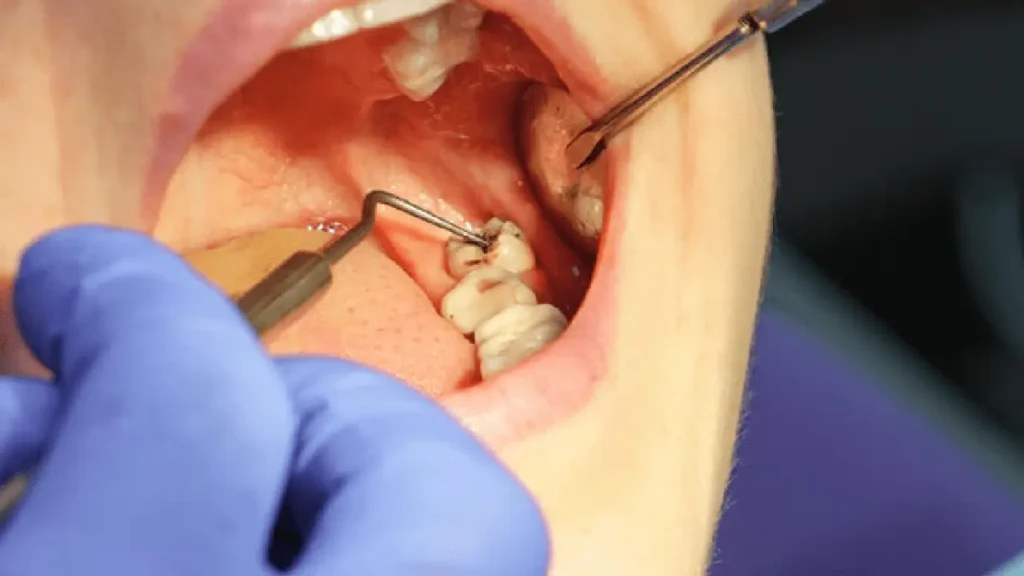
The prospect of wisdom teeth removal can bring a mix of questions and perhaps a little apprehension. If you’re in Vancouver and considering this common dental procedure, understanding what to expect is the first step towards a smooth experience. At Smile Plus Dentistry, we believe in empowering our patients with clear, concise information, guiding you through every stage of your wisdom teeth removal journey.
Often, wisdom tooth extraction is a necessary step to prevent future dental complications, from overcrowding to serious infections. This guide is designed to walk you through the entire process, addressing your concerns and helping you feel confident and prepared for a healthier smile.
What Are Wisdom Teeth and Why Do They Need Removal?
Wisdom teeth are the final set of molars to erupt, typically appearing between the ages of 17 and 25. While some individuals have enough room for these teeth to emerge without issue, many do not. This lack of space can lead to a variety of problems, making wisdom teeth removal a common recommendation.
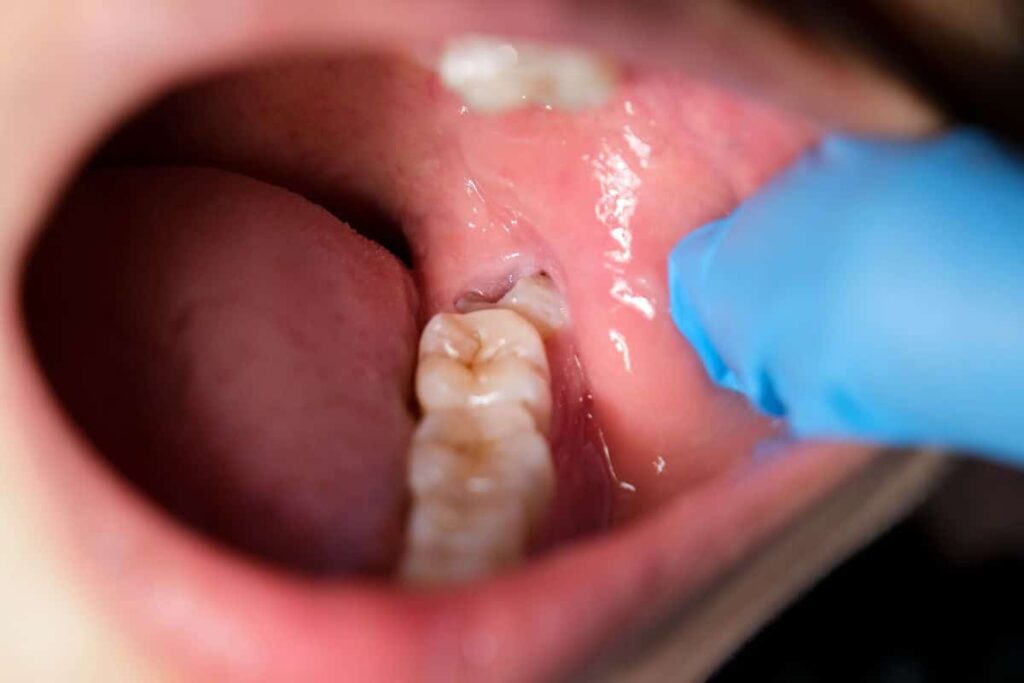
One of the most frequent reasons for extraction is impacted wisdom teeth. This occurs when the teeth don’t have enough room to erupt properly and remain trapped beneath the gum line or bone. Impaction can cause pain, swelling, and damage to adjacent teeth. Other issues include:
- Crowding: Pushing against other teeth, potentially misaligning your bite or damaging existing dental work.
- Infection: Partially erupted wisdom teeth create pockets where food and bacteria can accumulate, leading to gum disease (pericoronitis) and severe infections.
- Cysts: In rare cases, fluid-filled sacs (cysts) can form around an impacted wisdom tooth, potentially destroying bone and damaging surrounding structures.
- Tooth Decay: Wisdom teeth are often difficult to clean due to their position at the back of the mouth, making them highly susceptible to cavities.
When is the Best Time for Wisdom Teeth Removal?
The ideal time for wisdom teeth removal often occurs in the late teens or early twenties, before the roots are fully developed and the bone around the teeth is less dense. This can lead to an easier procedure and a quicker recovery. However, removal can be necessary at any age if problems arise.
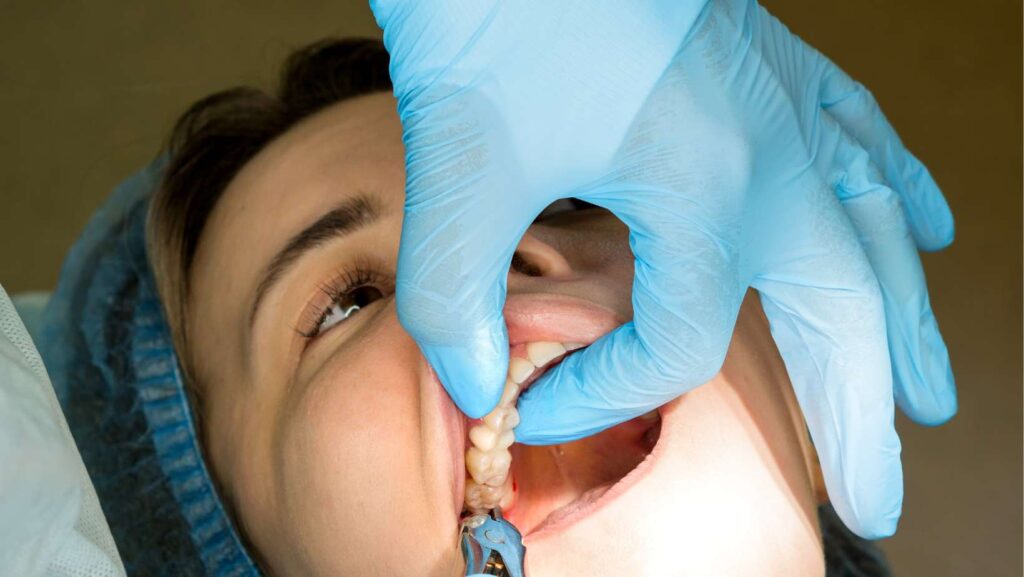
Signs that you might need your wisdom teeth removed include persistent pain, swelling, difficulty opening your mouth, or recurring infections in the back of your mouth. A comprehensive dental examination, including X-rays, is crucial to determine the position of your wisdom teeth and assess any potential issues. Our dentists at Smile Plus Dentistry will carefully evaluate your situation and discuss the best course of action for your oral health.
Schedule Your Wisdom Teeth Consultation Today
If you have been considering wisdom teeth removal for a while, if your wisdom teeth have begun to hurt, or if you have questions, don’t hesitate anymore. Now is the best time you can get a professional consultation and take the necessary action.
Book an appointment for personalized guidance and peace of mind.
The Wisdom Teeth Removal Process
Understanding the steps involved can help alleviate anxiety. Here’s a general overview of what you can expect during your wisdom tooth extraction journey:
Initial Consultation and X-rays
Your journey begins with a thorough examination. We’ll take detailed X-rays to visualize the position of your wisdom teeth, their roots, and their proximity to nerves or sinuses. This allows us to plan the safest and most effective extraction method tailored to your unique anatomy.
Anesthesia Options
Patient comfort is our top priority. We offer various sedation for wisdom teeth options to ensure you are relaxed and pain-free during the procedure:
- Local Anesthesia: Numbing the area around the tooth, allowing you to remain awake but feel no pain.
- Nitrous Oxide (Laughing Gas): A mild sedative that helps you relax, often used in conjunction with local anesthesia.
- Oral Sedation: Medication taken before the procedure to induce a state of deep relaxation.
- IV Sedation: Administered intravenously, this provides a deeper level of relaxation, often making you feel like you’ve slept through the procedure.
We will discuss the best option for your comfort level and the complexity of your extraction.
The Procedure Itself
Once you are comfortable and the anesthesia has taken effect, our experienced dental team will proceed with the extraction. This typically involves making a small incision in the gum tissue to expose the tooth and bone. If the tooth is impacted, a small amount of bone may need to be removed. The tooth might be sectioned into smaller pieces to facilitate easier removal. After the tooth is extracted, the site is cleaned, and sutures (stitches) may be used to help the gum heal. The entire procedure usually takes between 30 and 90 minutes, depending on the number and complexity of the extractions.
Wisdom Teeth Recovery
Proper aftercare is crucial for a smooth and quick wisdom teeth recovery. Following our post-operative instructions carefully will help minimize discomfort and prevent complications.
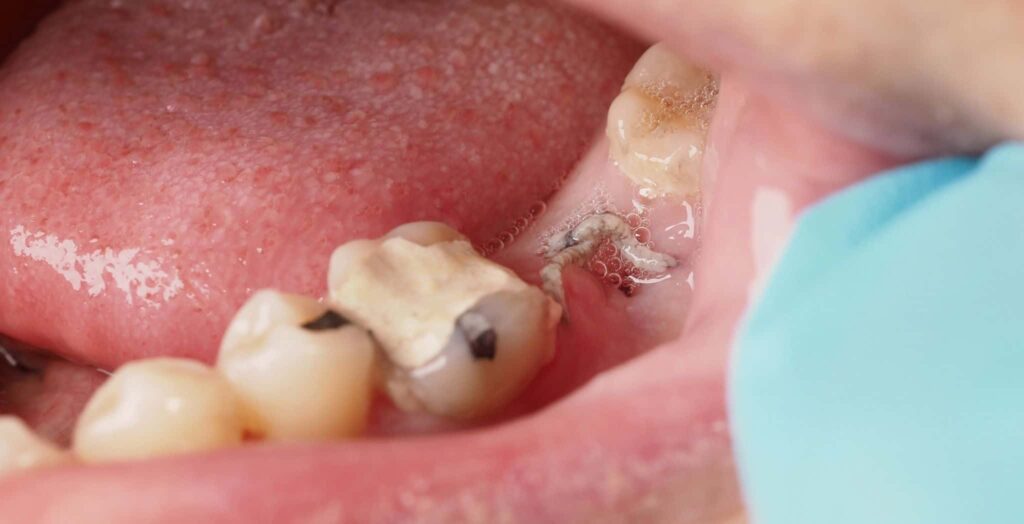
Immediate Aftercare
Immediately after the procedure, you’ll be given gauze pads to bite on, which helps control bleeding. It’s normal to experience some swelling and mild discomfort. We will provide you with detailed instructions on how to care for the surgical site, including when to change gauze and how to manage initial bleeding.
Managing Pain and Swelling
Pain after wisdom teeth removal is common but manageable. We will prescribe or recommend pain medication to keep you comfortable. Applying ice packs to the outside of your face for 20 minutes on, 20 minutes off, for the first 24-48 hours can significantly reduce swelling. Keeping your head elevated, even while sleeping, can also help.
Dietary Restrictions
For the first few days, stick to soft foods like yogurt, mashed potatoes, smoothies, and soup. Avoid crunchy, chewy, or hot foods that could irritate the surgical site or dislodge the blood clot. Gradually reintroduce solid foods as you feel comfortable.
Activity Restrictions
Rest is paramount for healing. Avoid strenuous activities, heavy lifting, and intense exercise for at least 3-5 days, or as advised by your dentist. Physical activity can increase blood pressure, leading to more bleeding or pain.
Potential Complications
While rare, potential complications include dry socket (when the blood clot dislodges, exposing the bone), infection, or nerve damage. Following all aftercare instructions diligently significantly reduces these risks. Contact us immediately if you experience severe pain, excessive bleeding, high fever, or pus at the extraction site.
Choosing the Right Dentist for Your Wisdom Teeth Removal in Vancouver
Selecting an experienced and compassionate dental team is key to a positive experience. When choosing a dentist for your wisdom teeth removal in Vancouver, consider the following:
- Experience and Expertise: Look for a practice with a proven track record in oral surgery and wisdom teeth extractions.
- Patient Comfort and Technology: Ensure the clinic prioritizes patient comfort, offering various sedation options and utilizing modern dental technology for precise and efficient procedures.
- Comprehensive Care: A clinic that offers thorough pre-operative assessment and detailed post-operative care instructions demonstrates a commitment to your overall well-being.
- Local Reputation: Check reviews and testimonials from other Vancouver patients to gauge their experiences.
At Smile Plus Dentistry, our team is dedicated to providing exceptional care, utilizing advanced techniques and a patient-centred approach to make your wisdom teeth removal as comfortable and stress-free as possible.
Conclusion
Understanding the journey of wisdom teeth removal makes this process easier and less stressful. With the right information and a compassionate dental team, you can approach your procedure with confidence. At Smile Plus Dentistry, we are committed to providing you with personalized care, from your initial consultation to your full recovery, ensuring a smooth and comfortable experience.
Don’t let impacted or problematic wisdom teeth compromise your oral health. Contact us if you have questions about wisdom teeth removal, since taking action now can prevent future pain and complications.
FAQ
How long does the wisdom teeth removal procedure take?
A single extraction can take as little as 15-20 minutes, while removing all four wisdom teeth typically takes between 45 minutes to 90 minutes, depending on their complexity.
When can I eat normally after wisdom teeth removal?
You should stick to soft foods for the first 3-5 days. Gradually reintroduce normal foods as comfort allows, usually within a week to ten days, being careful to chew away from the extraction sites.
What are the risks associated with wisdom teeth removal?
While generally safe, risks include dry socket, infection, nerve damage (usually temporary), bleeding, and swelling. Our team takes every precaution to minimize these risks, and we provide clear aftercare instructions to aid in your recovery.
How long will I be off work or school?
Most patients take 2-3 days off for recovery. If your job involves strenuous physical activity, you might need a longer break. We can provide a doctor’s note if required.
Is wisdom teeth removal always necessary?
No, not always. If your wisdom teeth erupt fully, are properly aligned, and don’t cause any problems, removal may not be necessary. However, regular dental check-ups are essential to monitor their development.
Drop a comment with what you are feeling or concerned about, and we will point you in the right direction.
No Comments